Physically, mentally, and spiritually.
A drug is a drug. Don’t use it.
Physically, mentally, and spiritually.
A drug is a drug. Don’t use it.
Paris was much cleaner than I foredeemed, both on the week before the Olympics in July, and in early September as well.
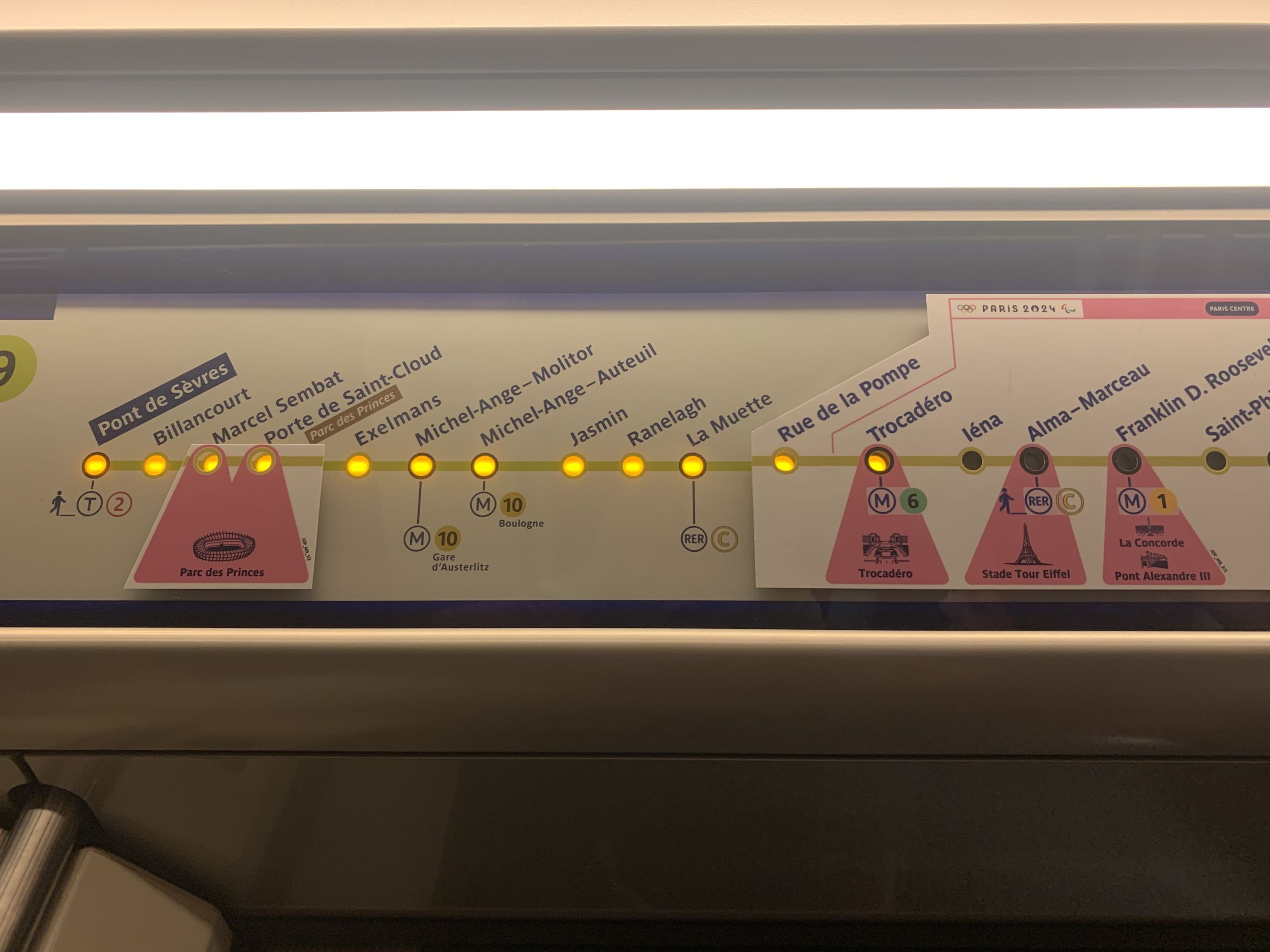
This train is goïng to Pont de Sèvres. But instead of lighting up previous stations, the linear metro map lights up those the train is yet to stop at. The opposite of a progress bar!
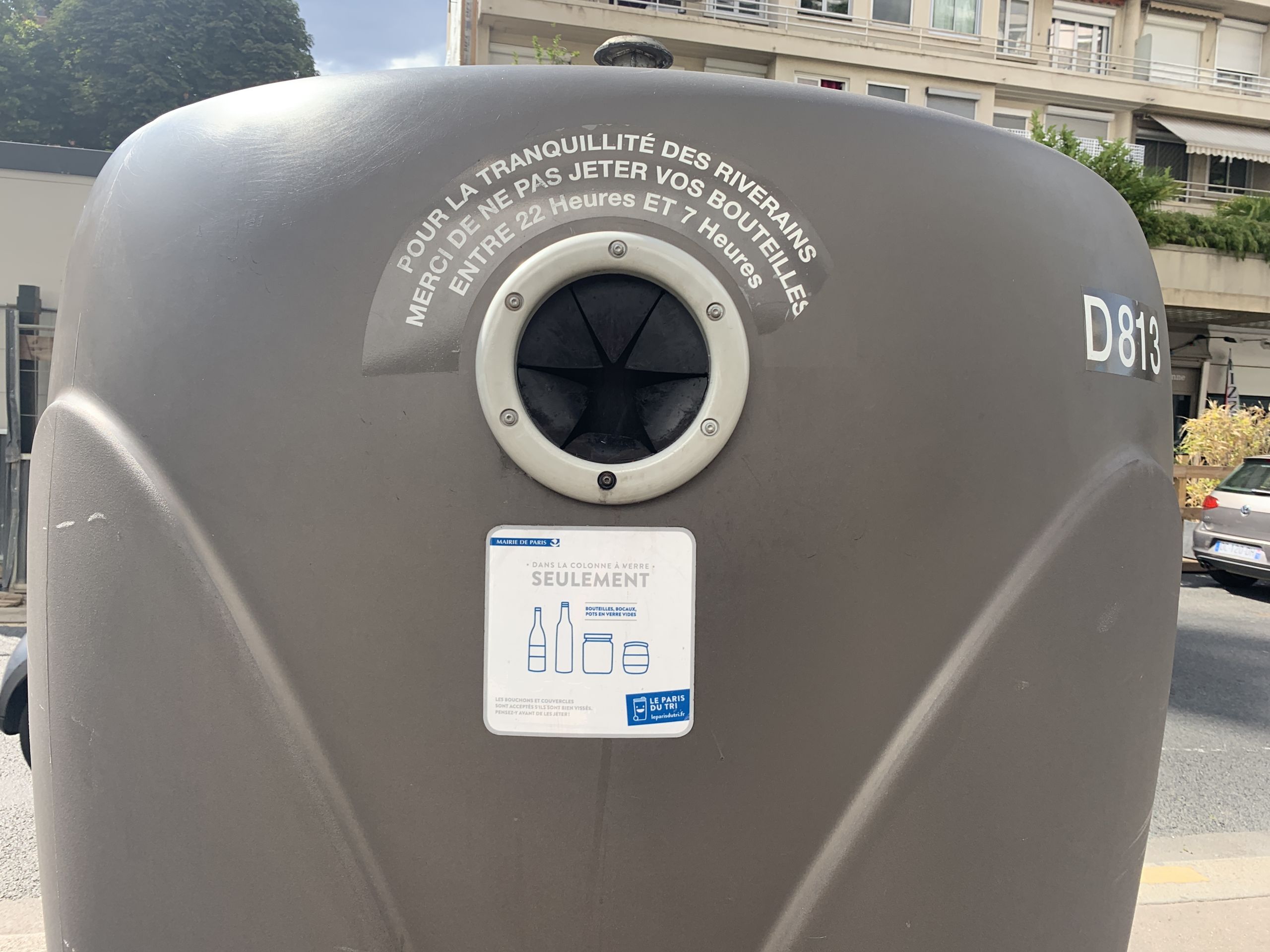
For residents’ tranquility, please do not throw away glass bottles between 2200 and 700. Very thoughtful!
Beautiful tower, bridge, river, and trees, all surrounded by ugliness:

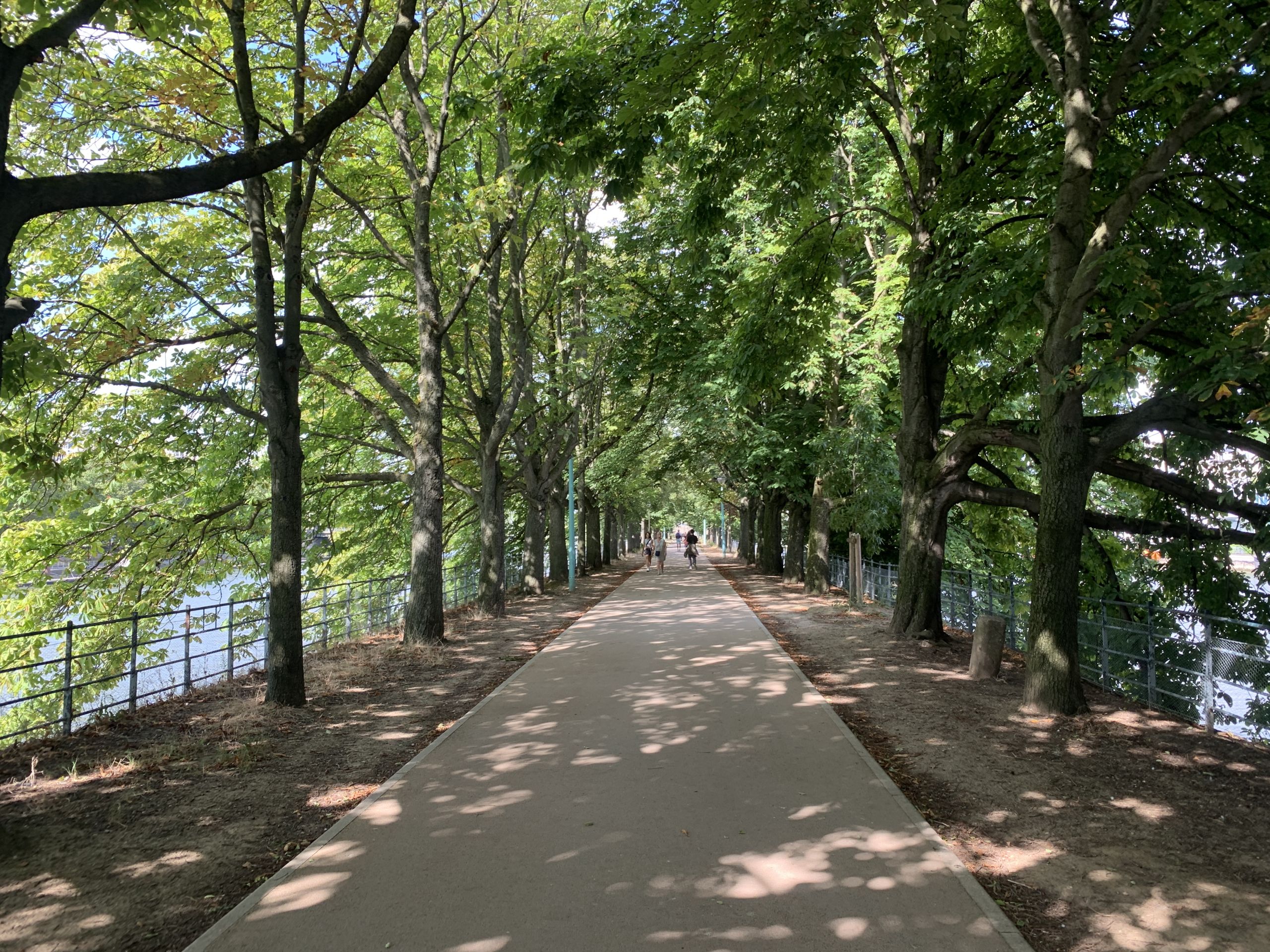
Amongst the trees:
Next to the bridge:

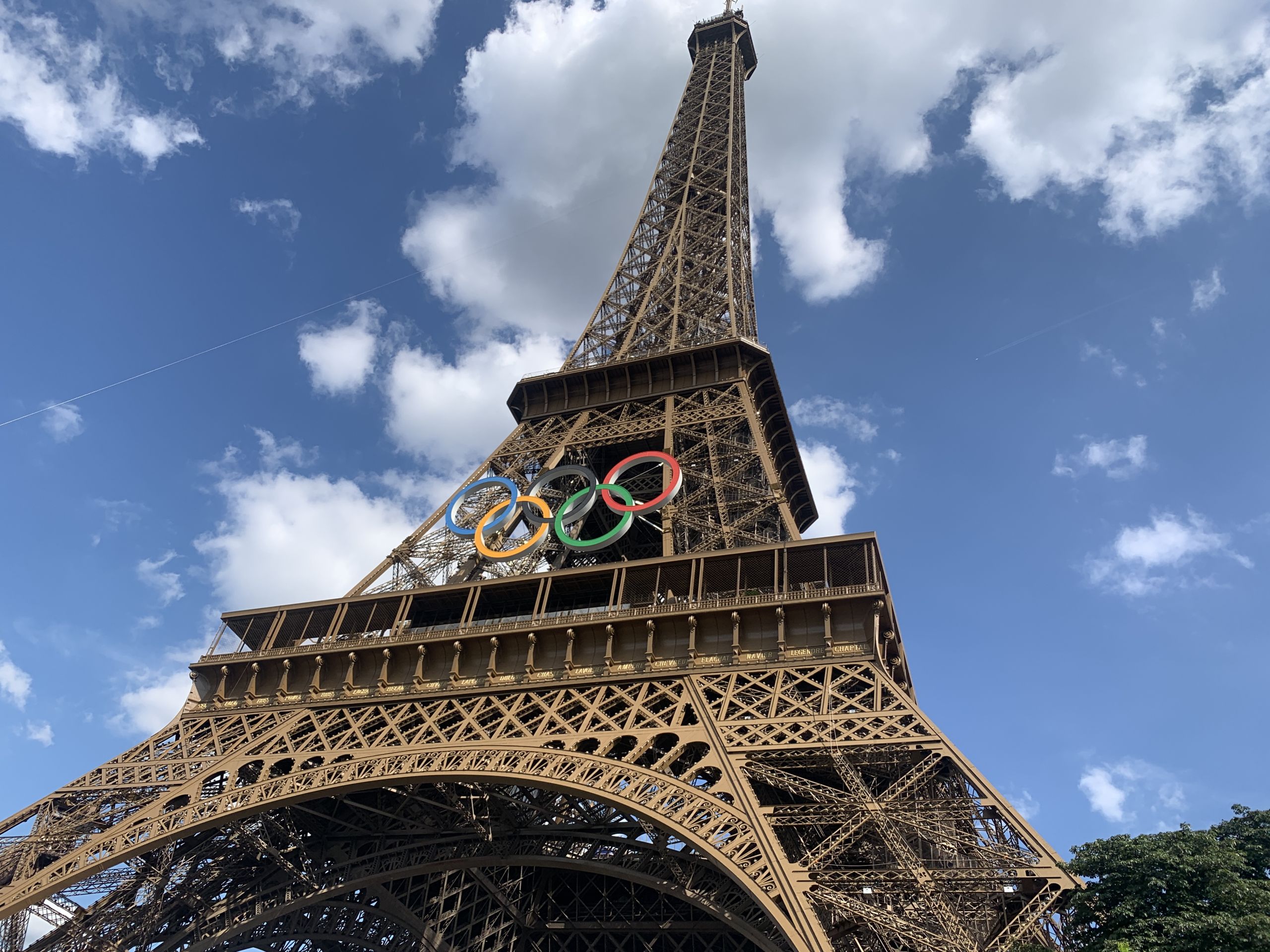
Up close to the tower:
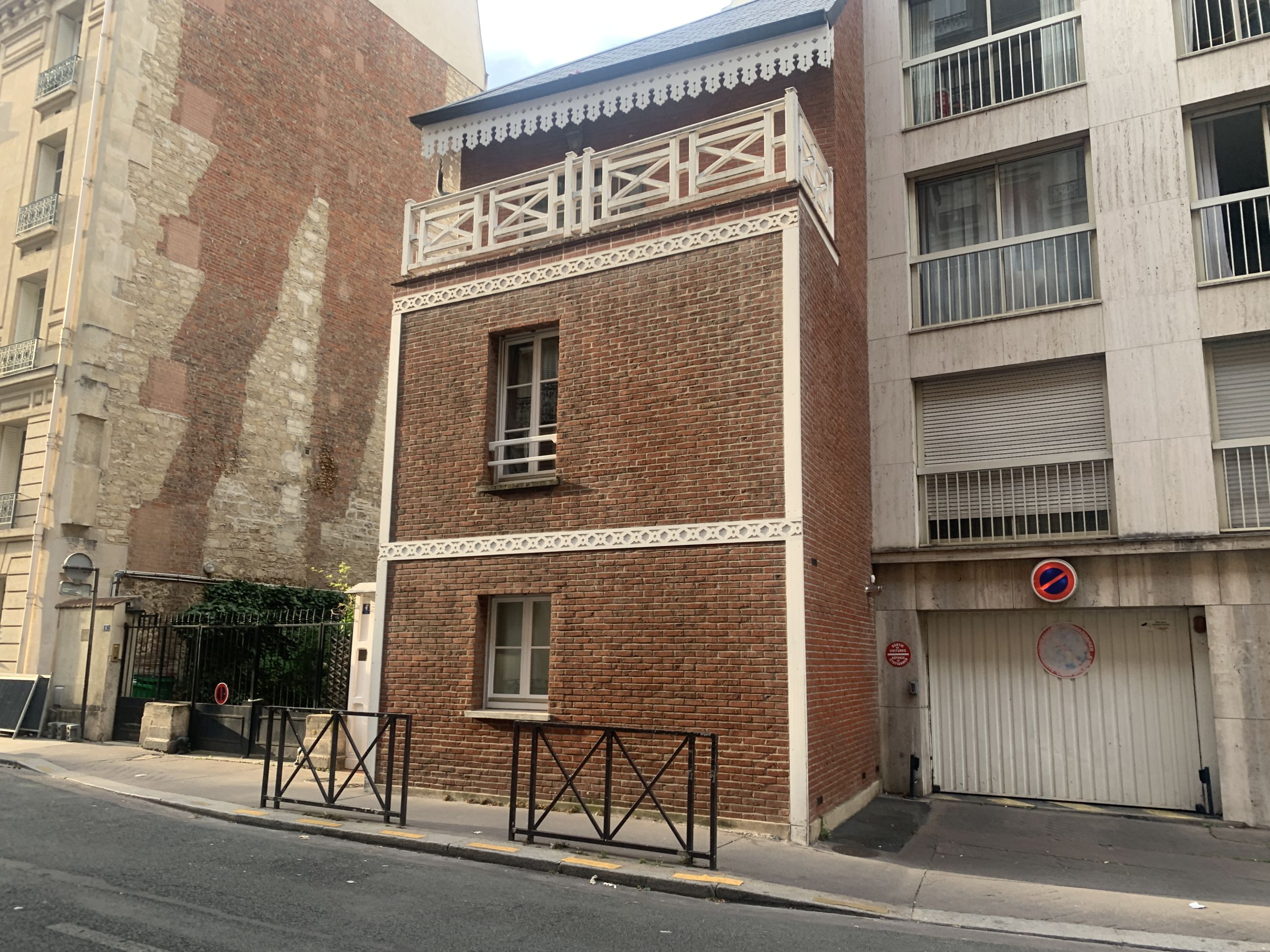
Chimney pipes require a different kind of brick:
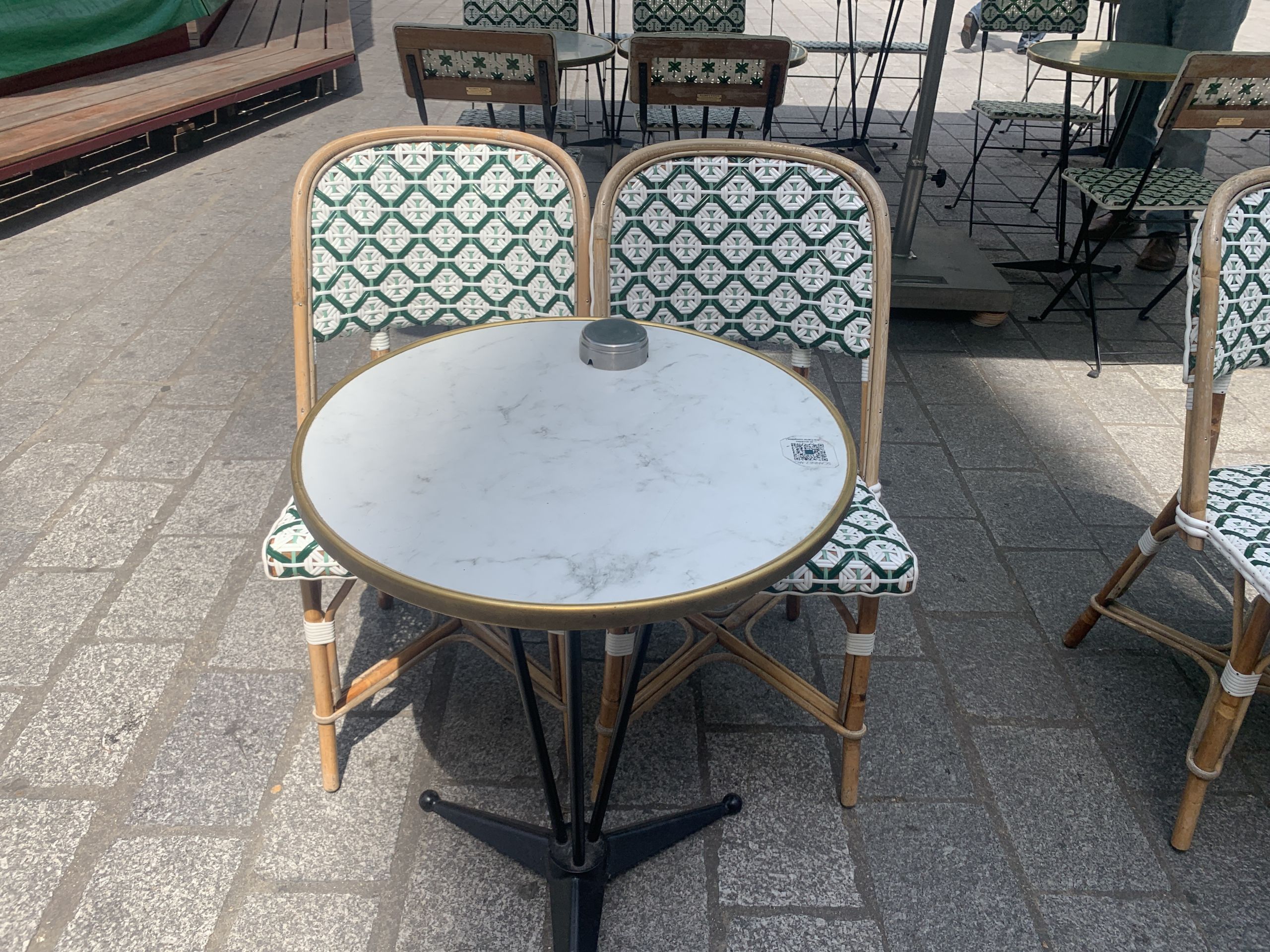
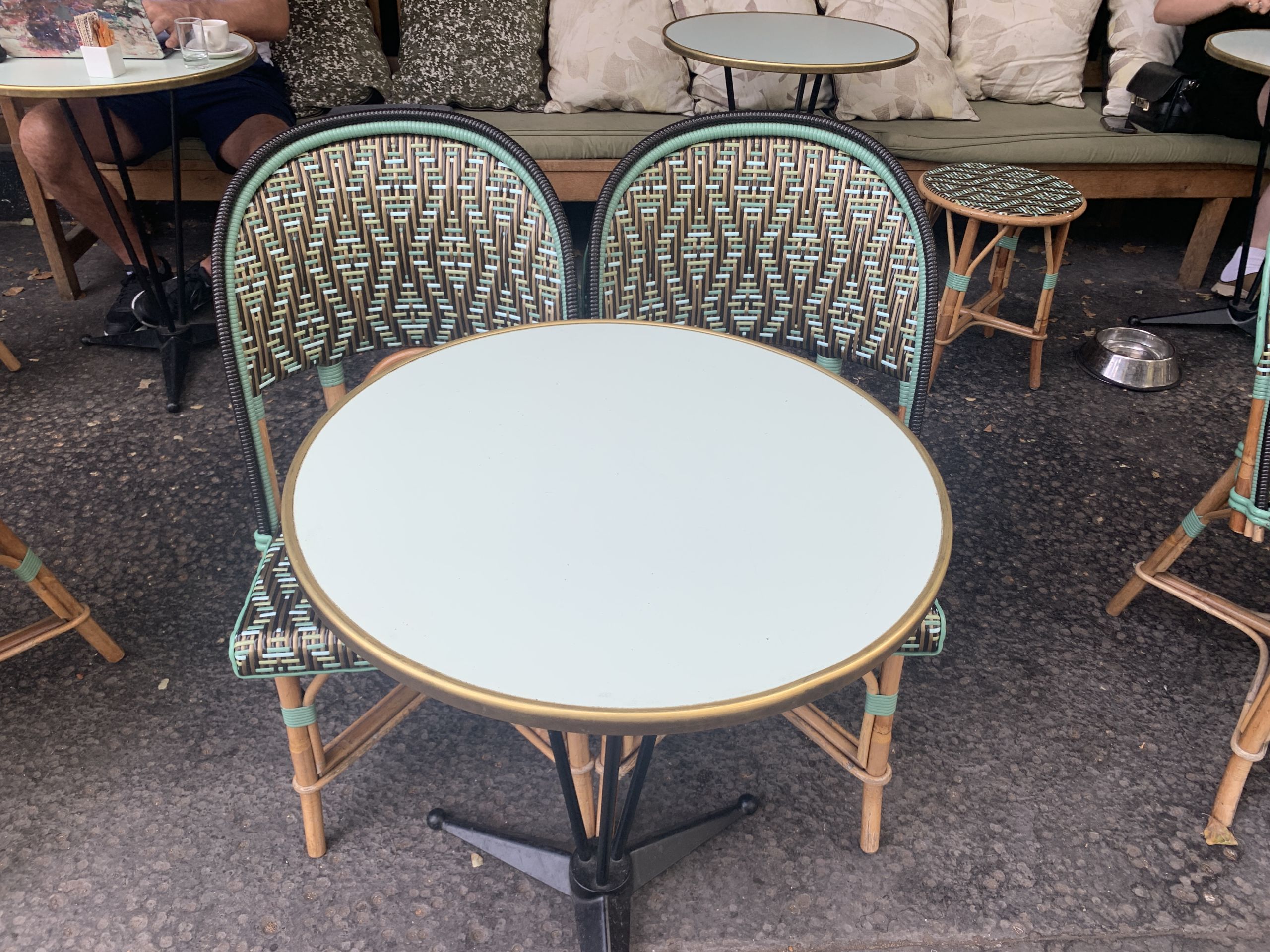
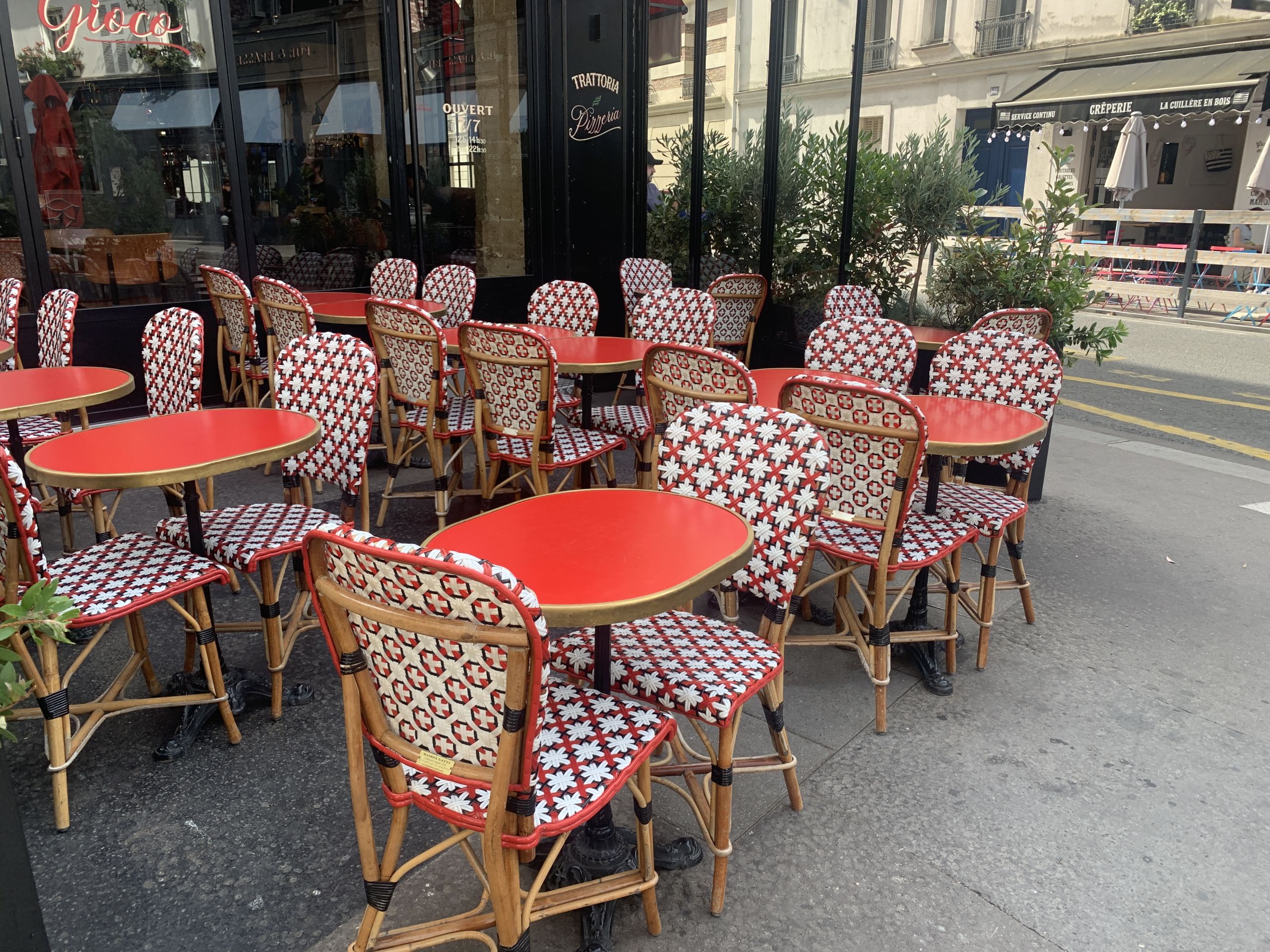
Parisian café tables and chairs:
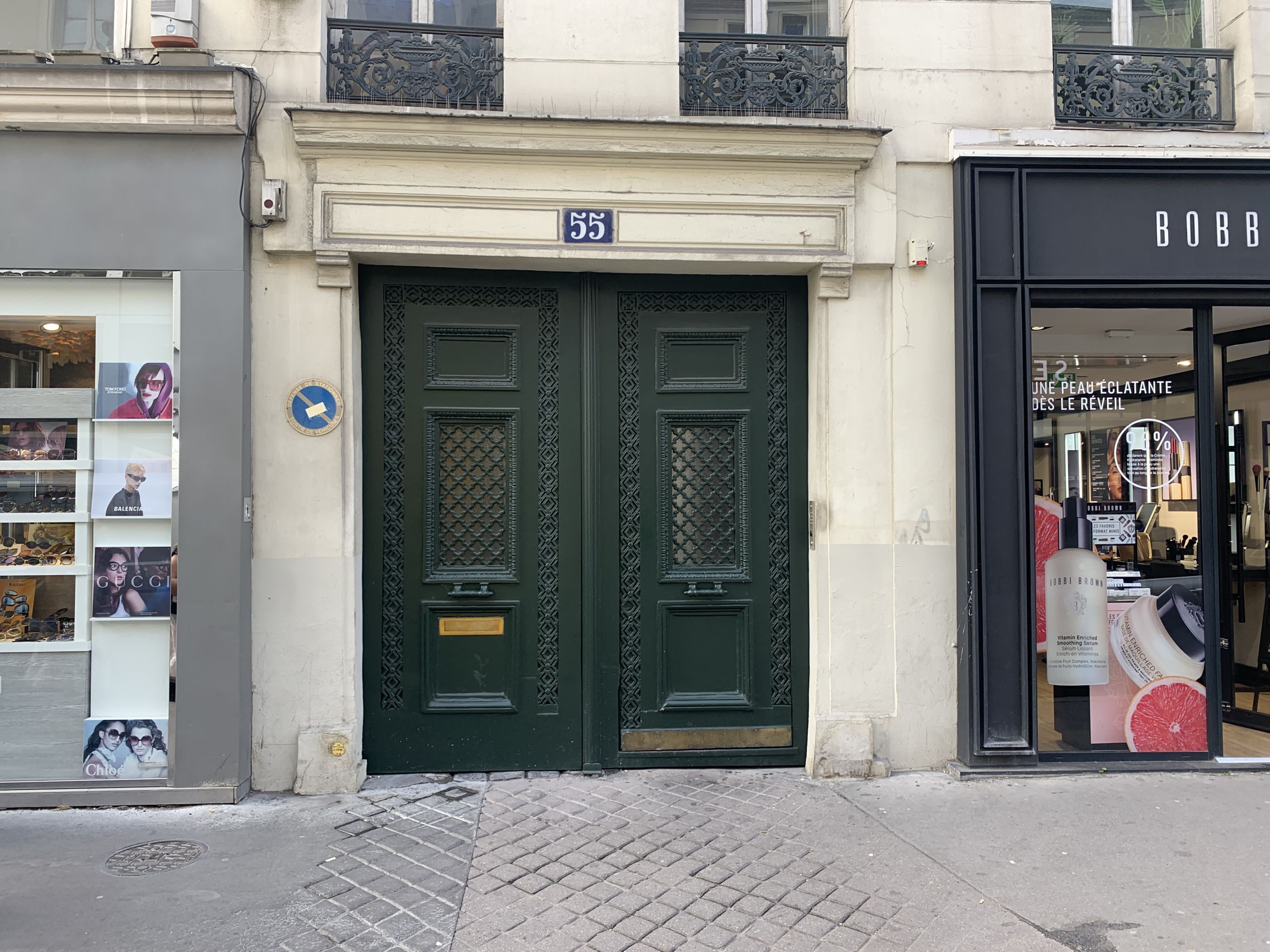
Doors:


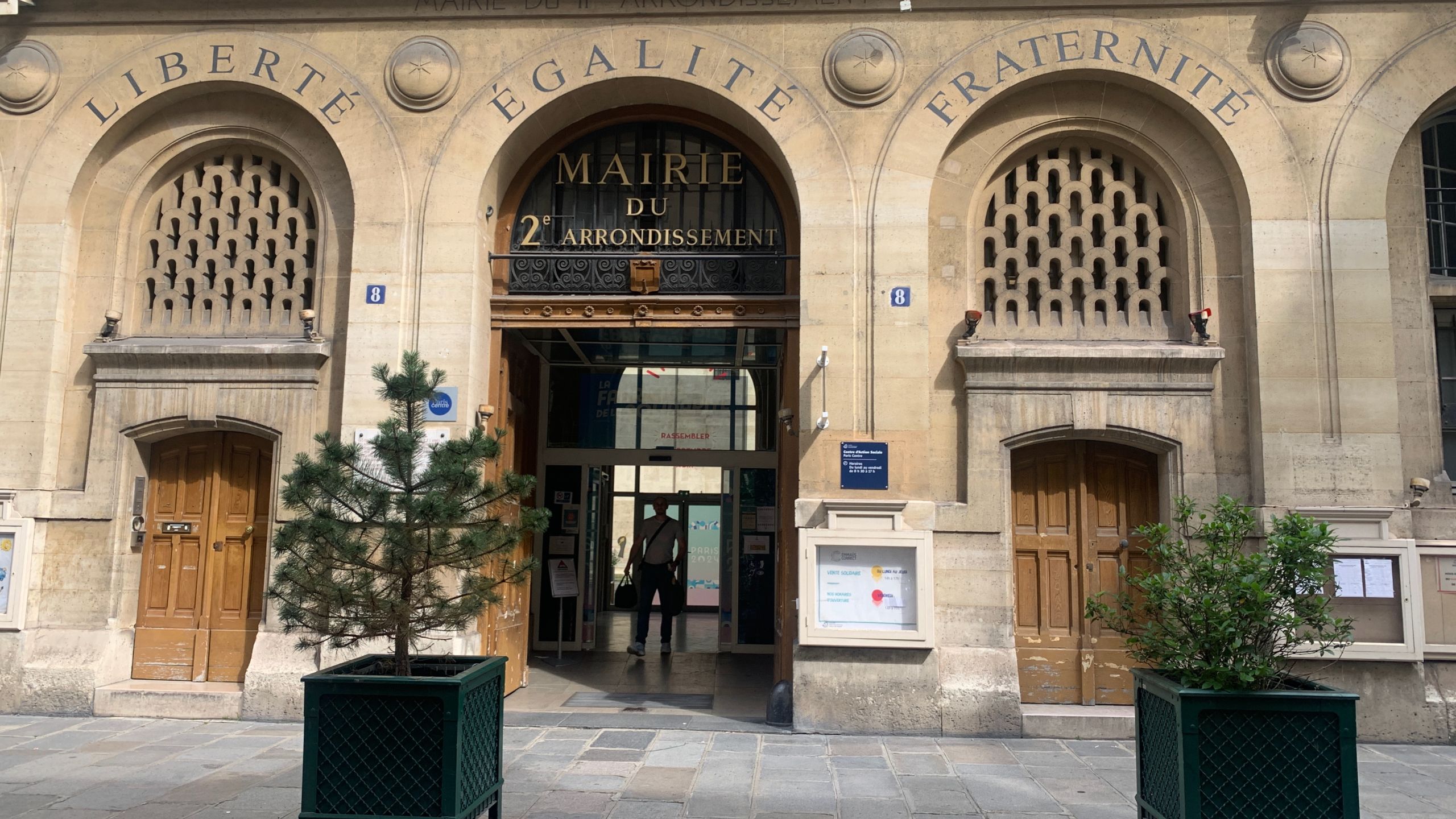
The doors of liberty and fraternity are closed. Only equality remains:
Spirals:


Other textures:
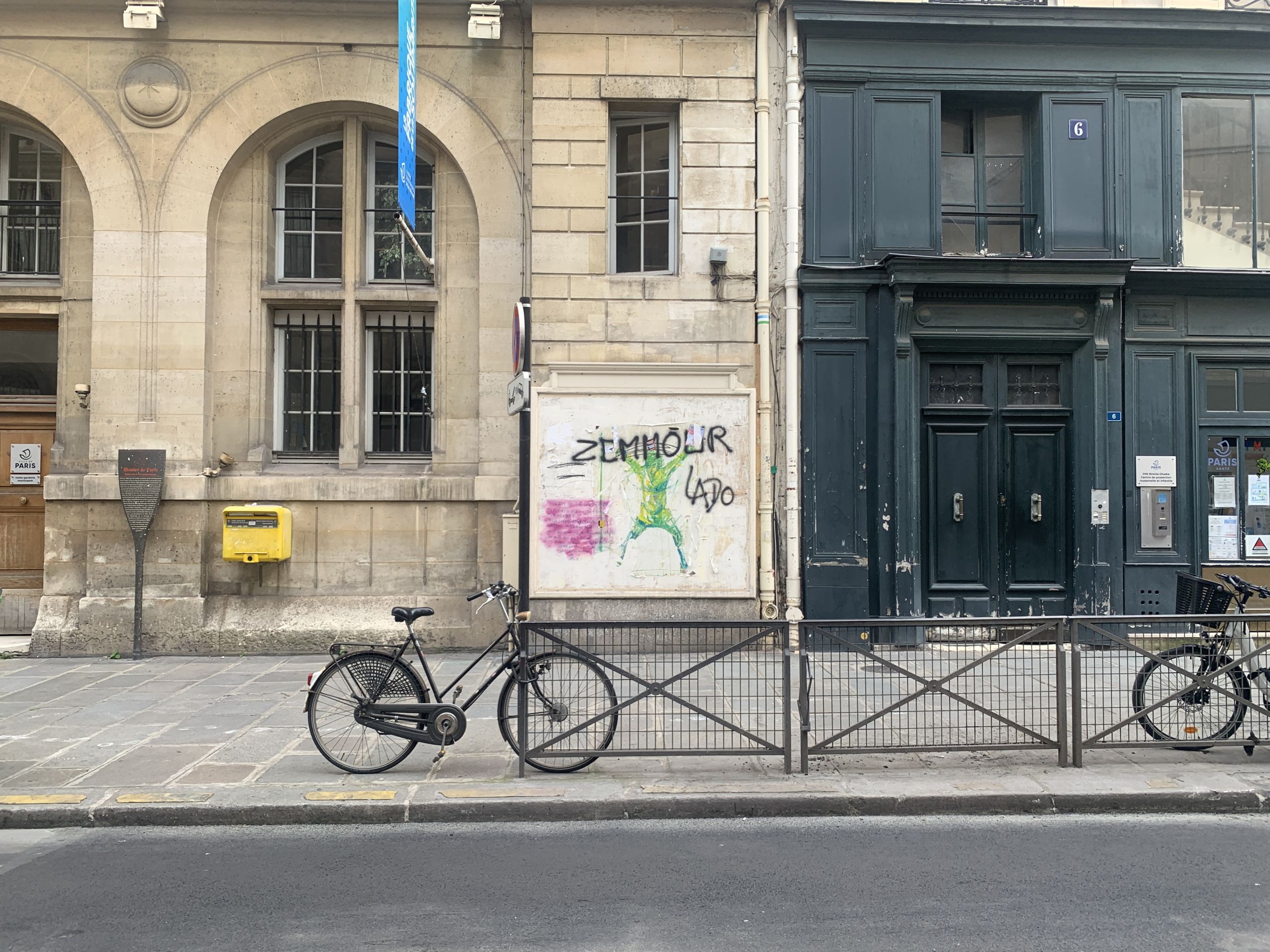
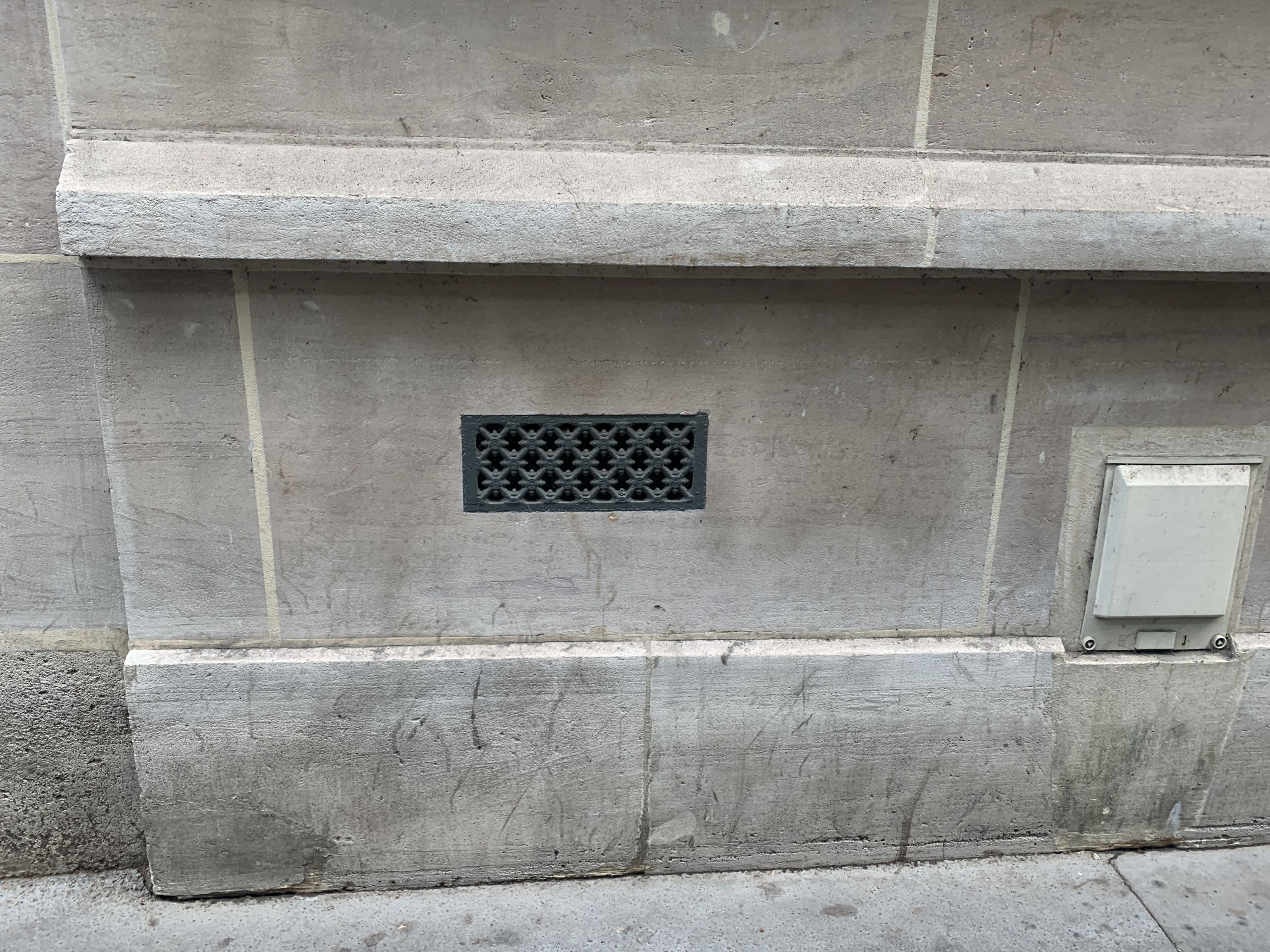
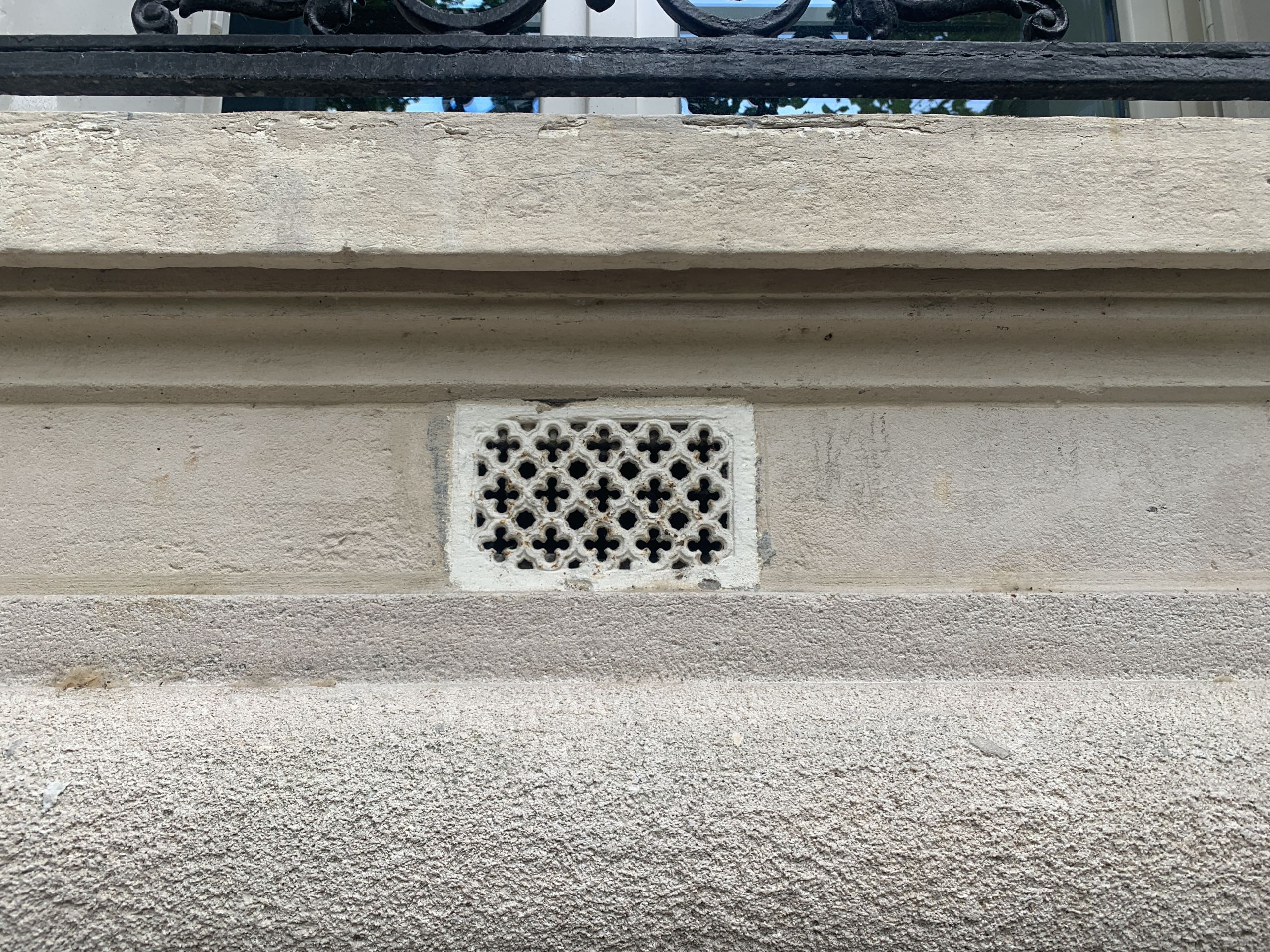

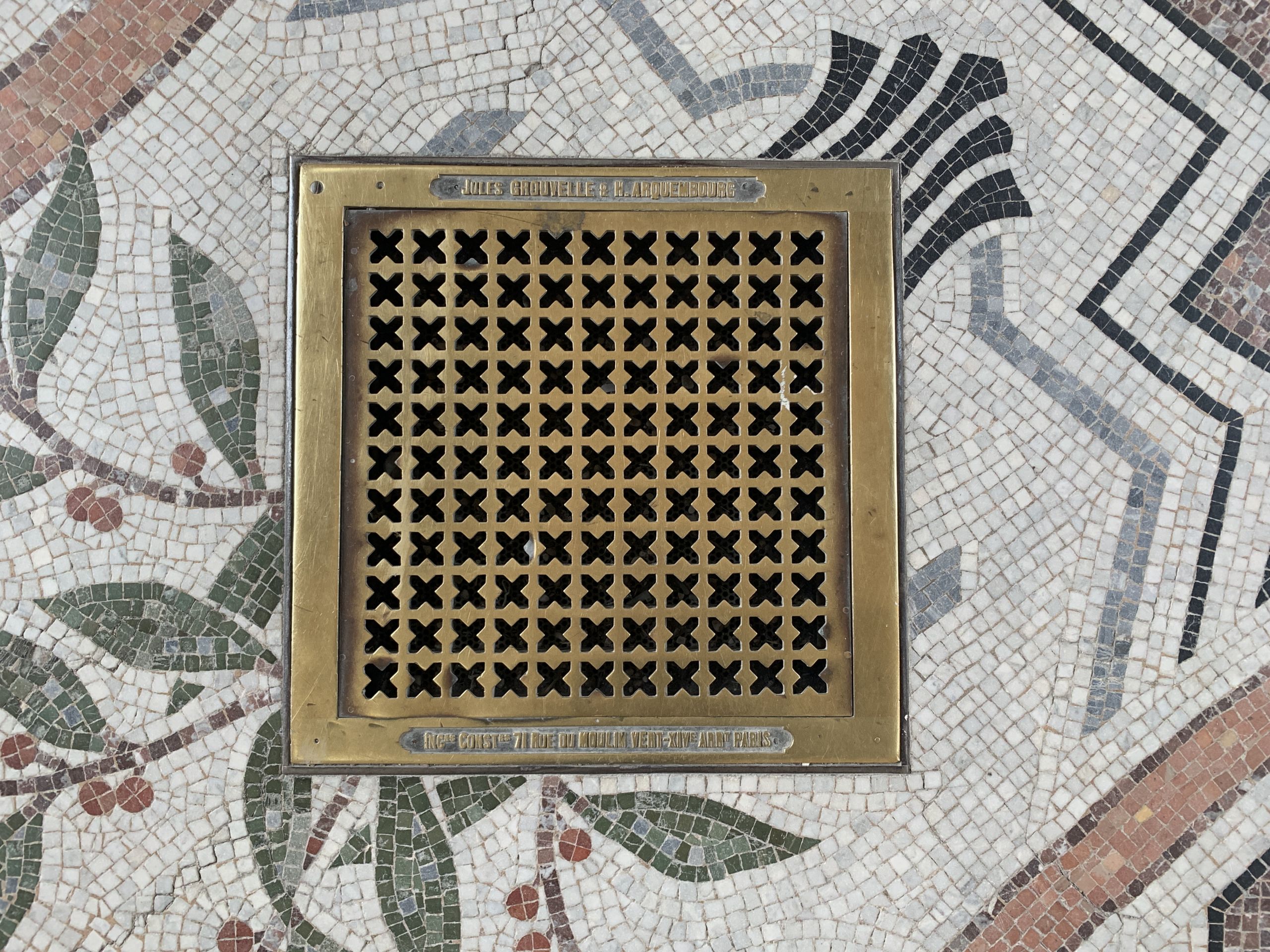
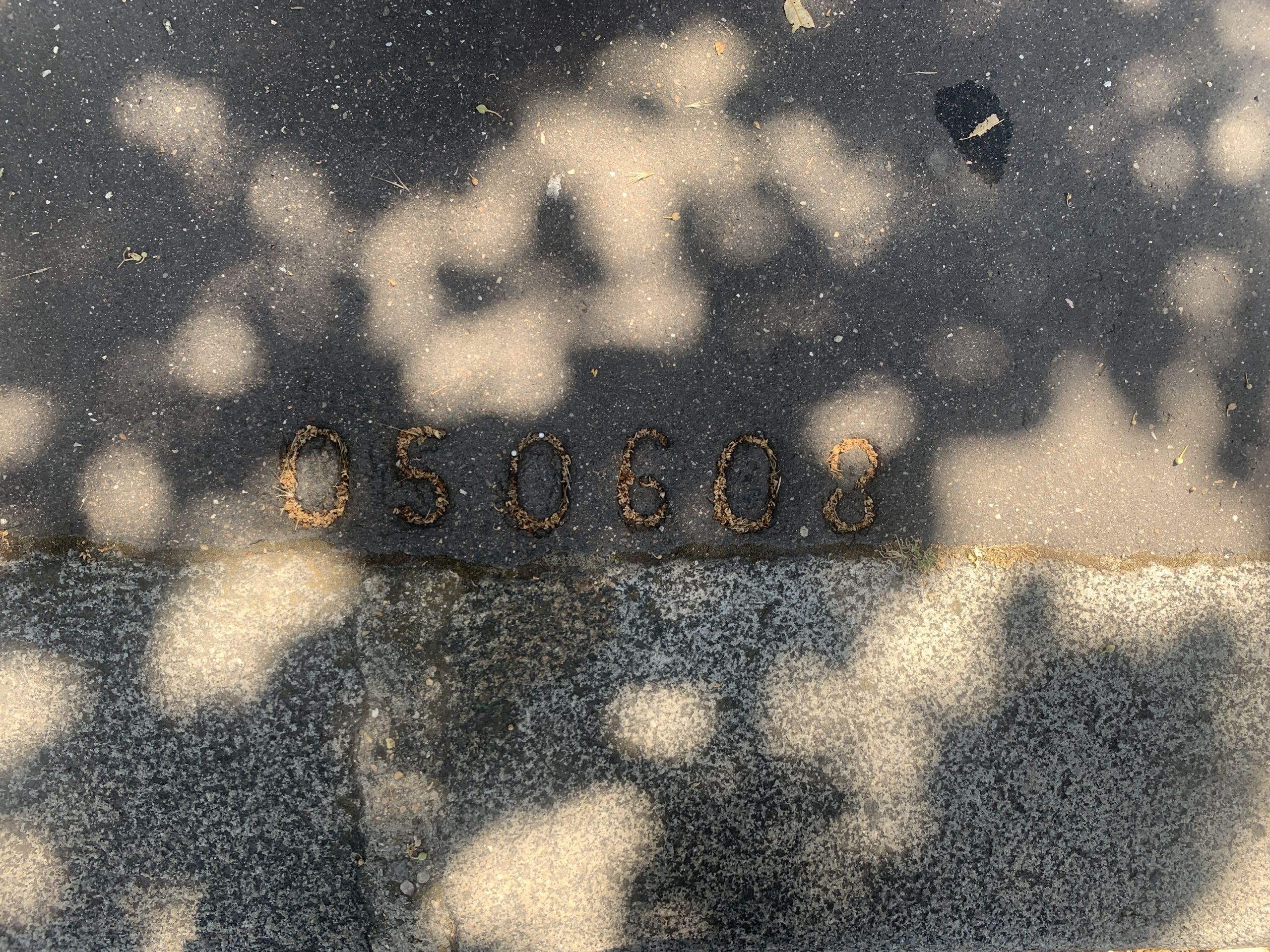
Posting not allowed:
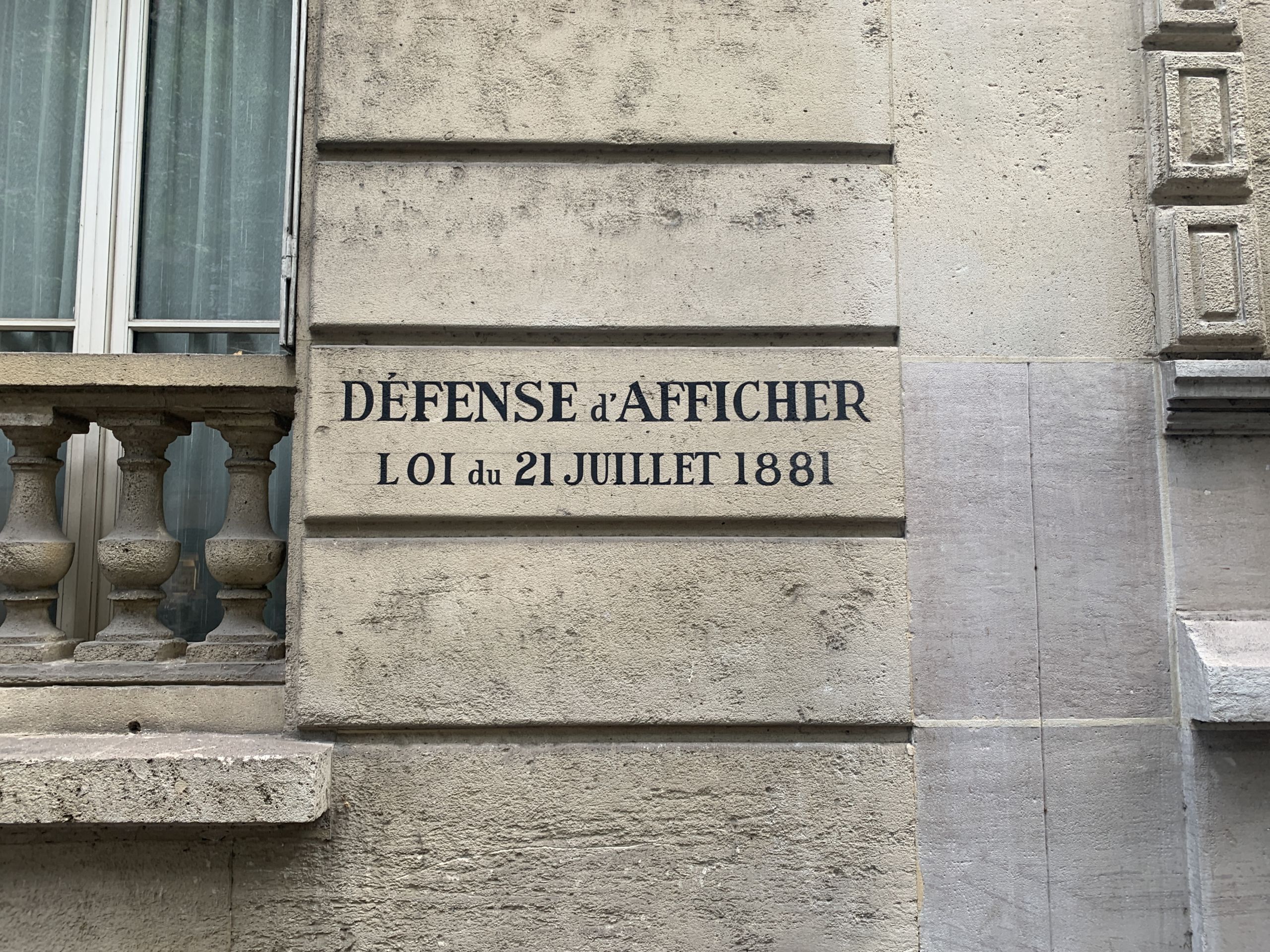
A bricky building:
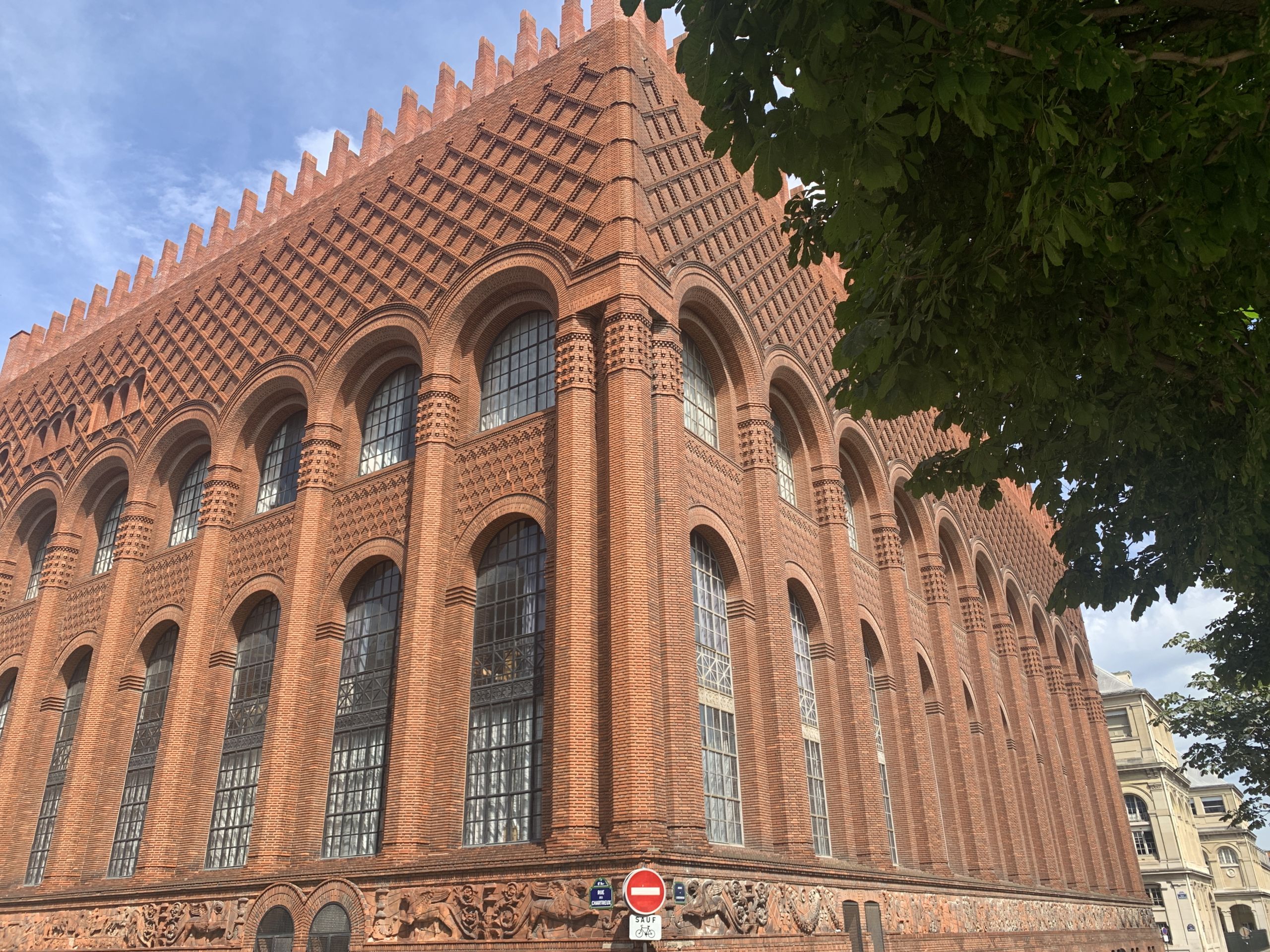
A bookshop:
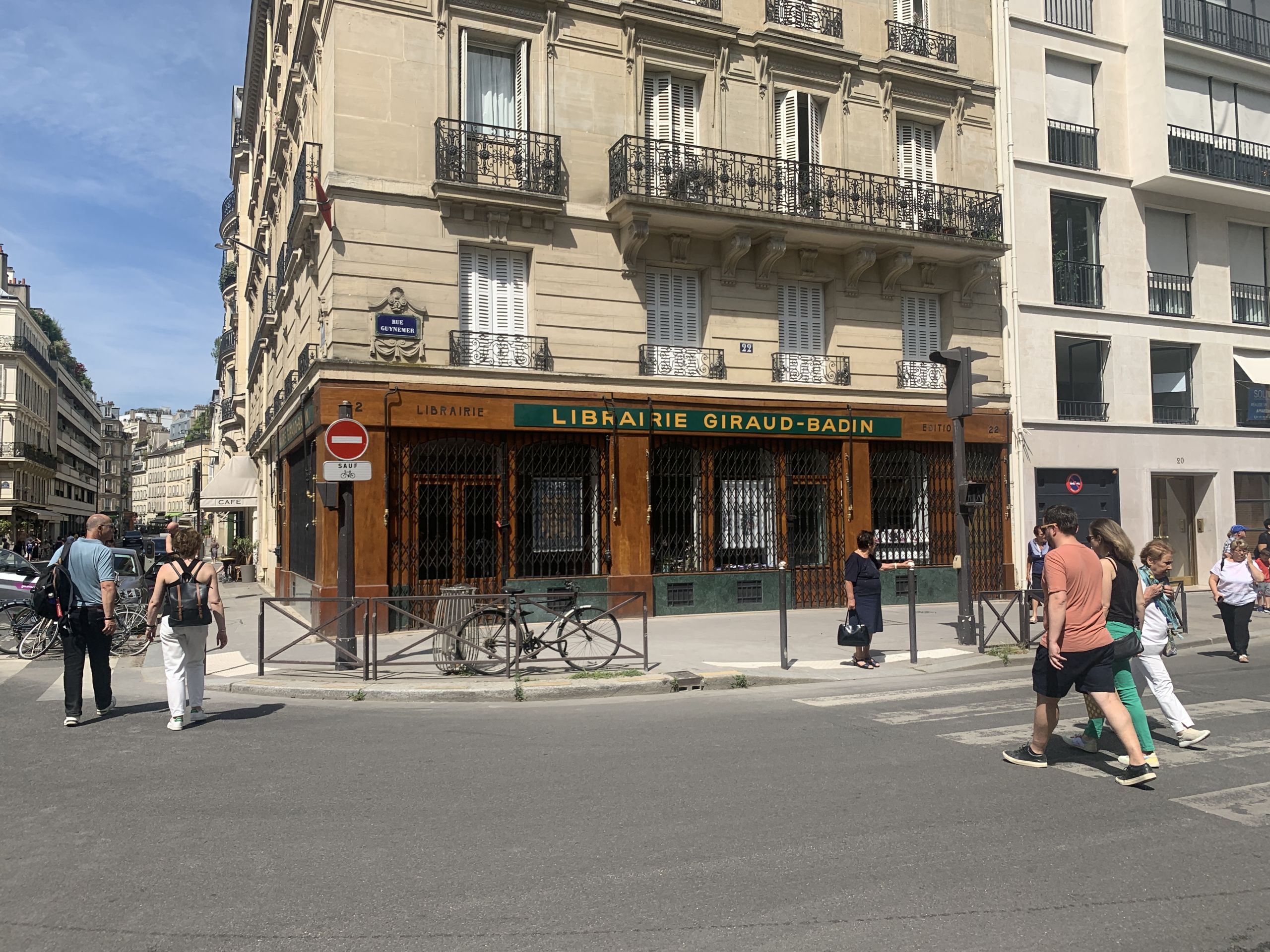
A propeller on the French aero-club’s building:

Just a pretty building:

A pretty café:
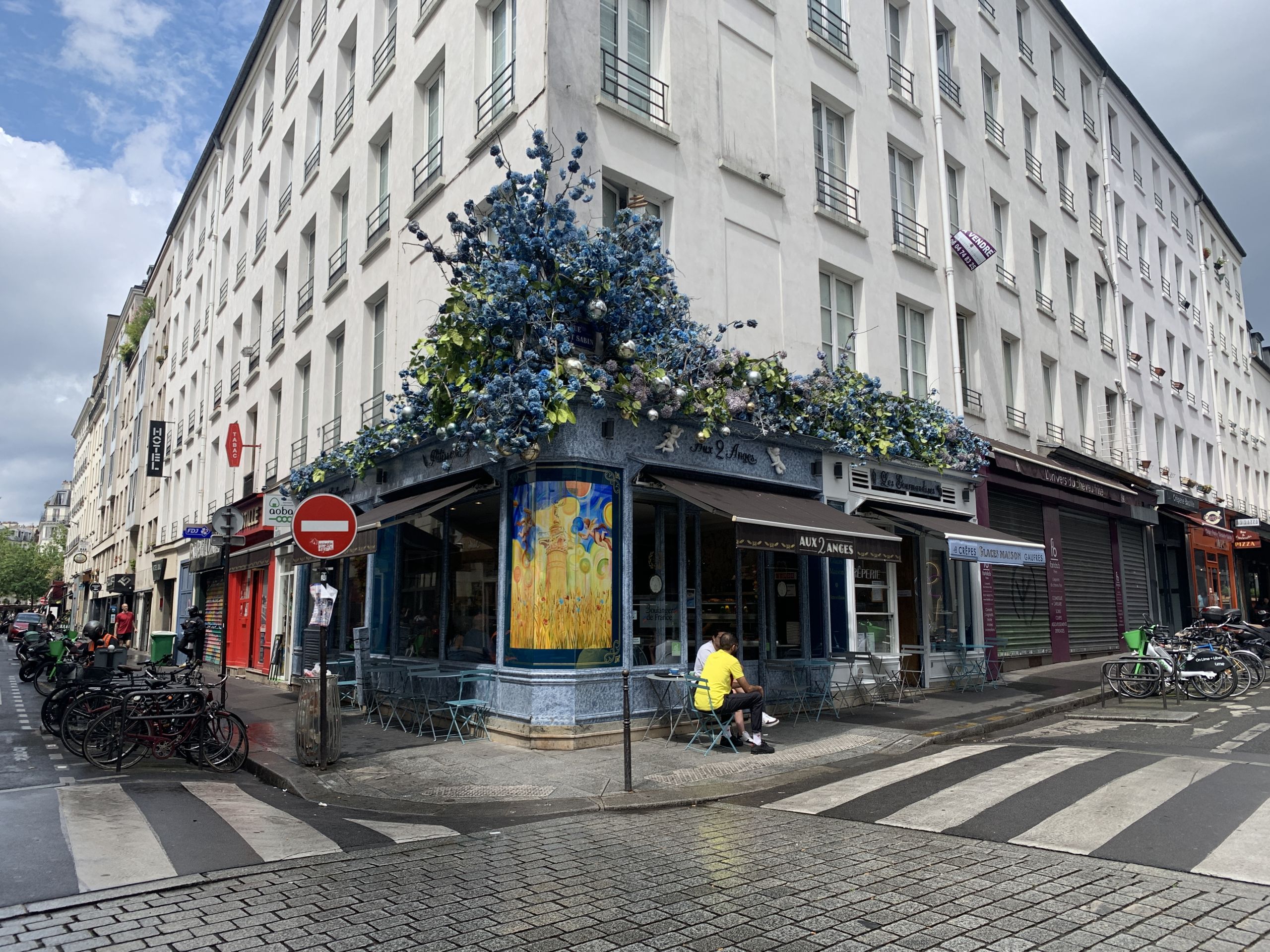
The sculpture on the left reminds me of a man whom I will not name (you don’t know him):

Fascinating ugliness:

A statue:
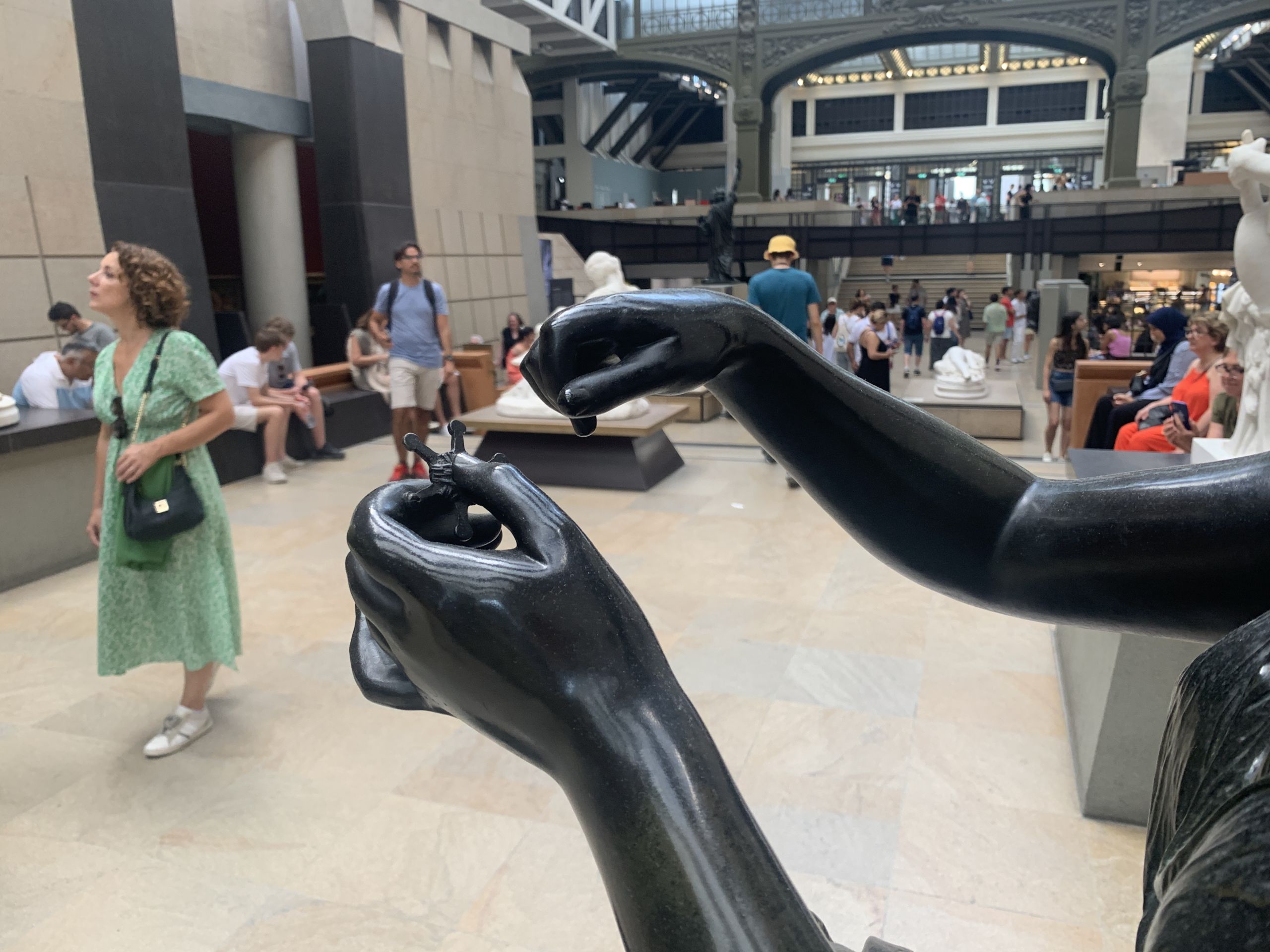
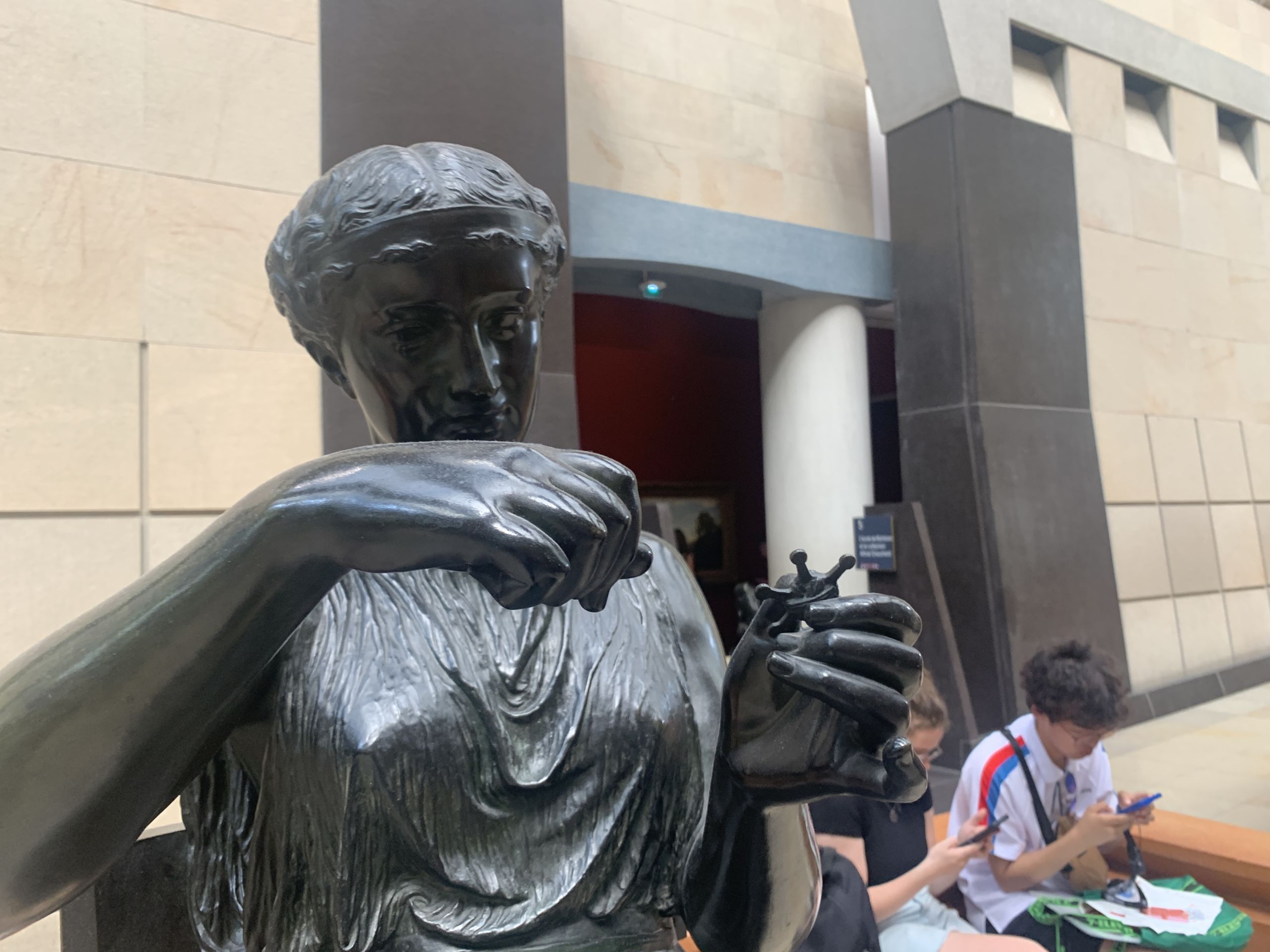
Bonjour Amour!

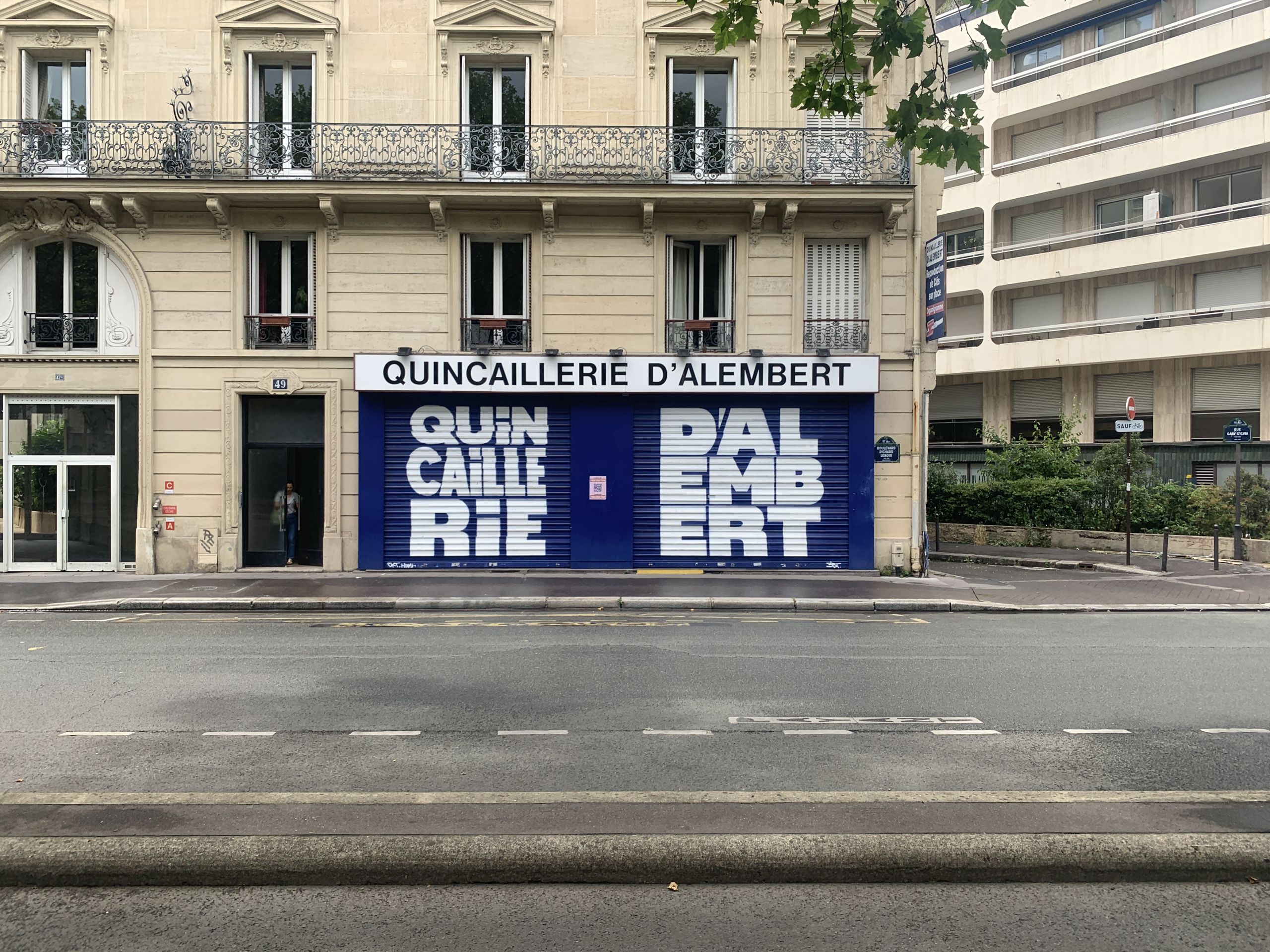
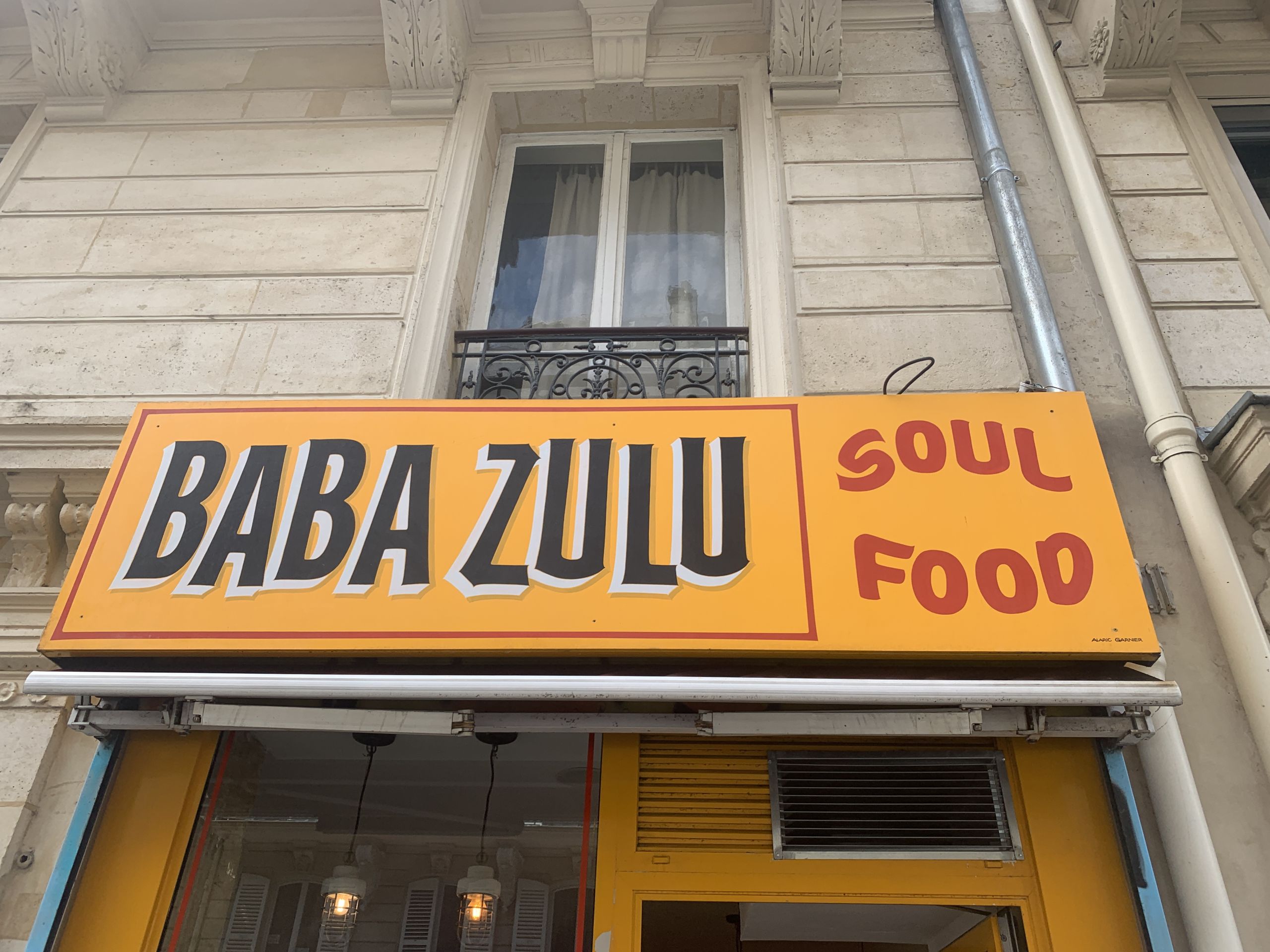
Design:
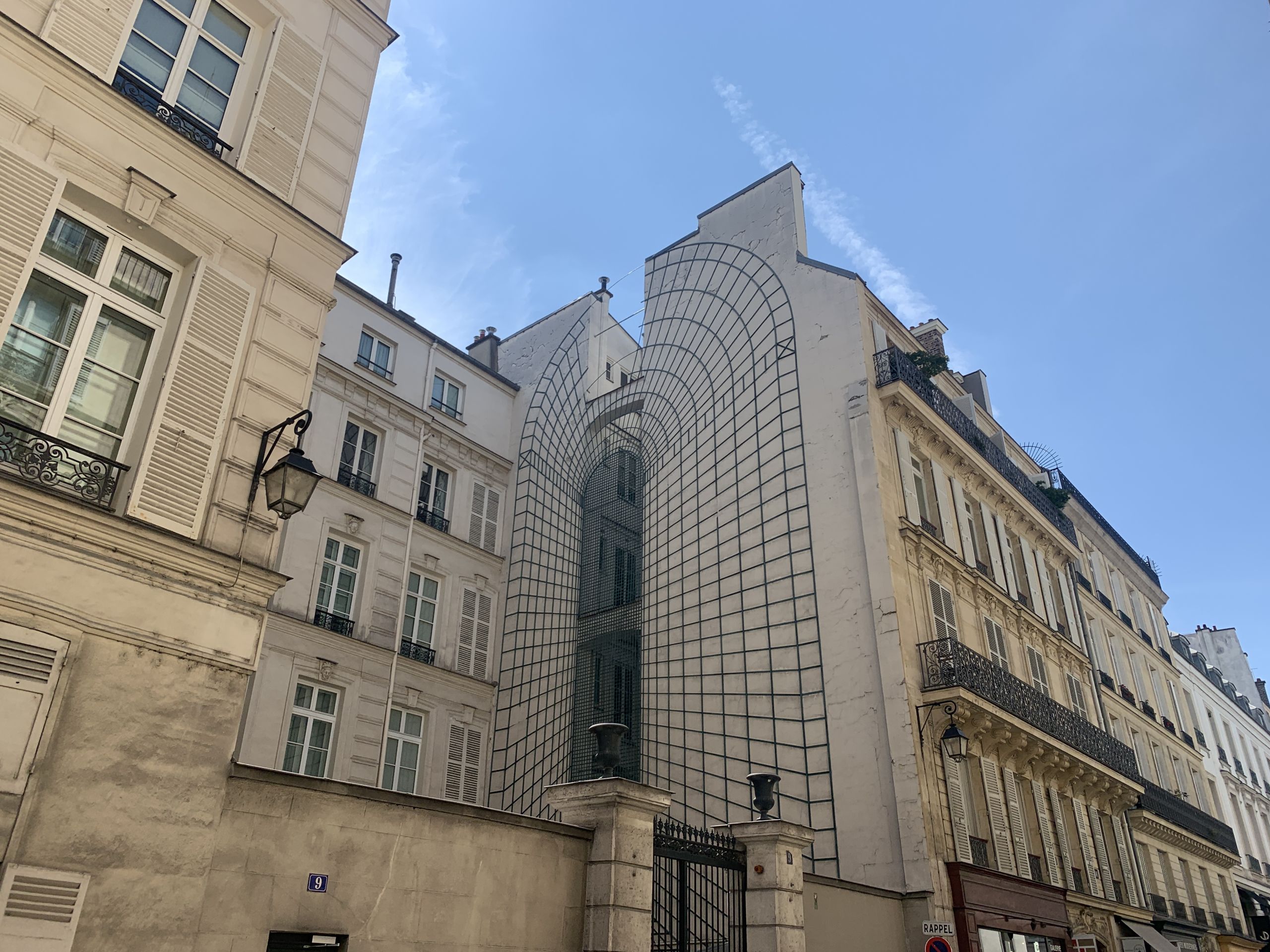
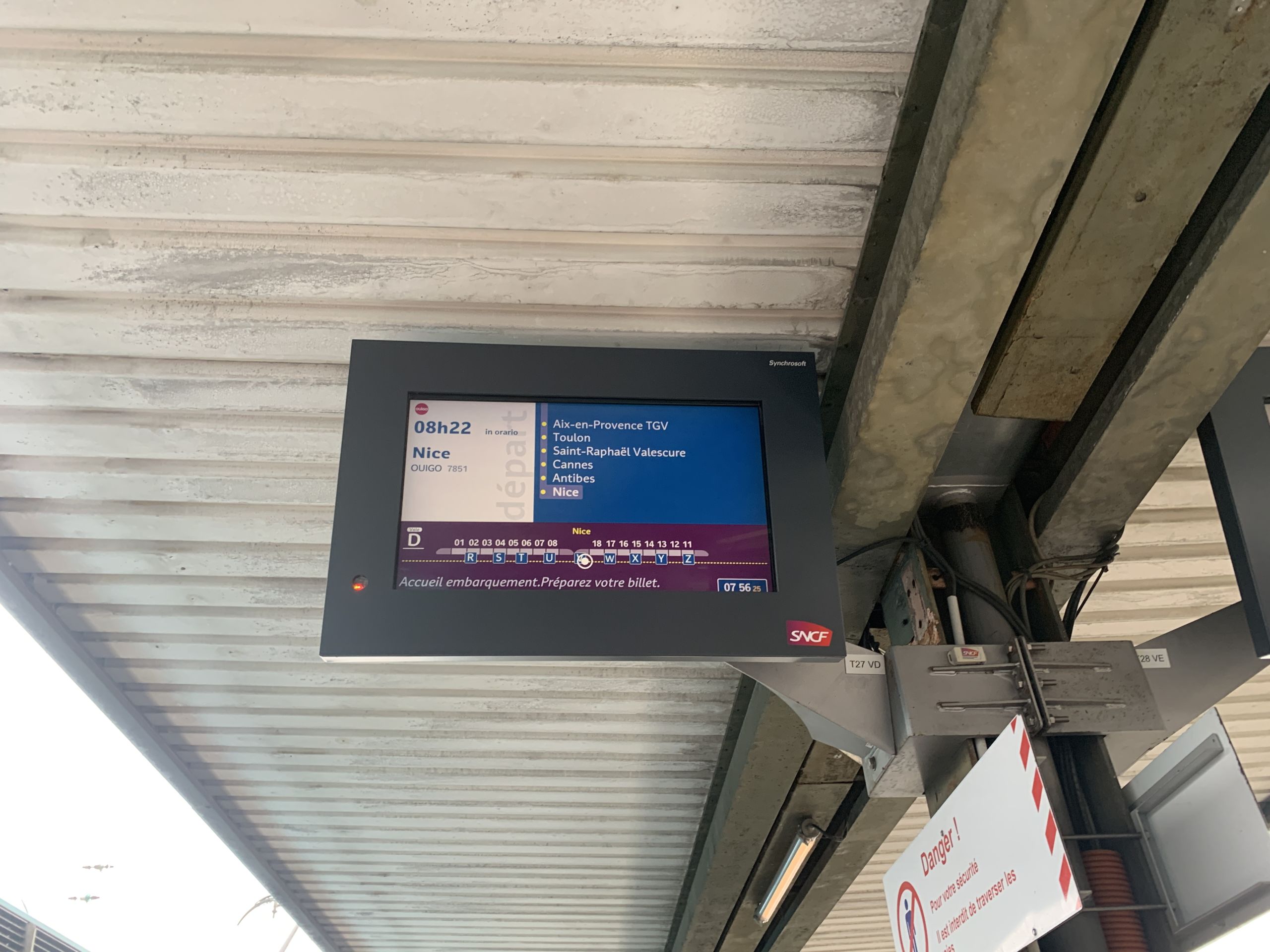
The information display on my platform:
The conspicuously missing plaques will get their own post.
Radical is a good word. It simply means “of the root”.
Stay true to your roots.
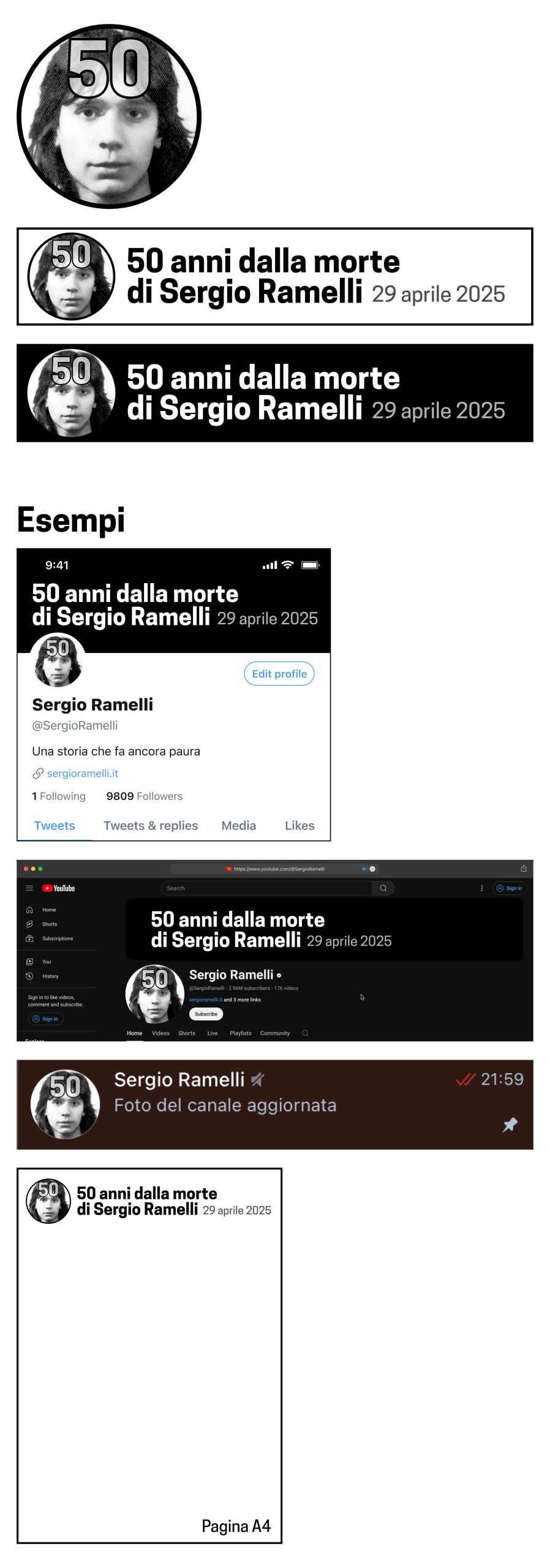
In July, I participated in a design competition for a logo commemorating the 50th anniversary of anti-communist student Sergio Ramelli’s death.
The requirements for the design were the following:
I started with simple, text-based banners:


Then I experimented with the pictures provided by the competition’s organiser:
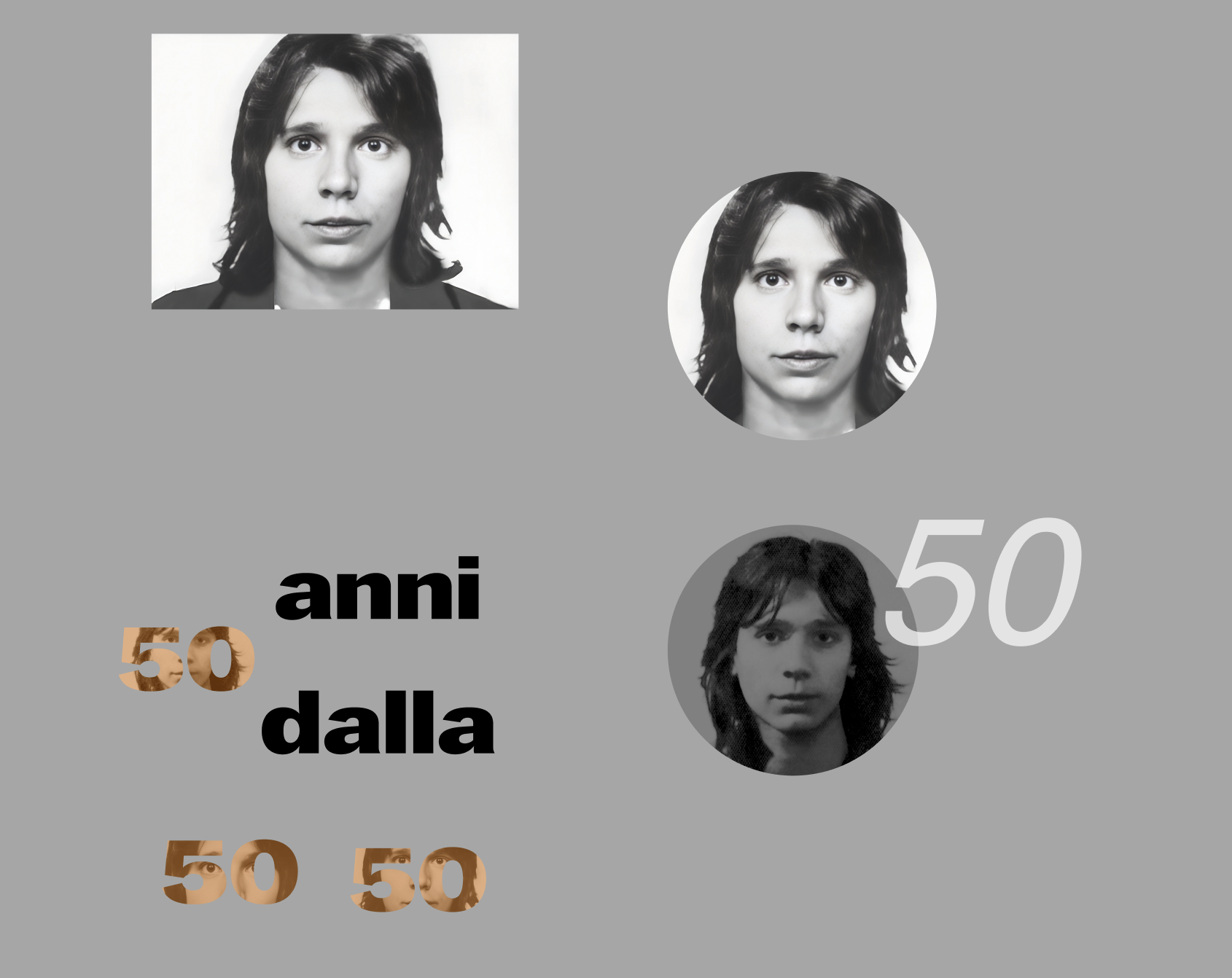
What if I combine the number 50 with his picture?
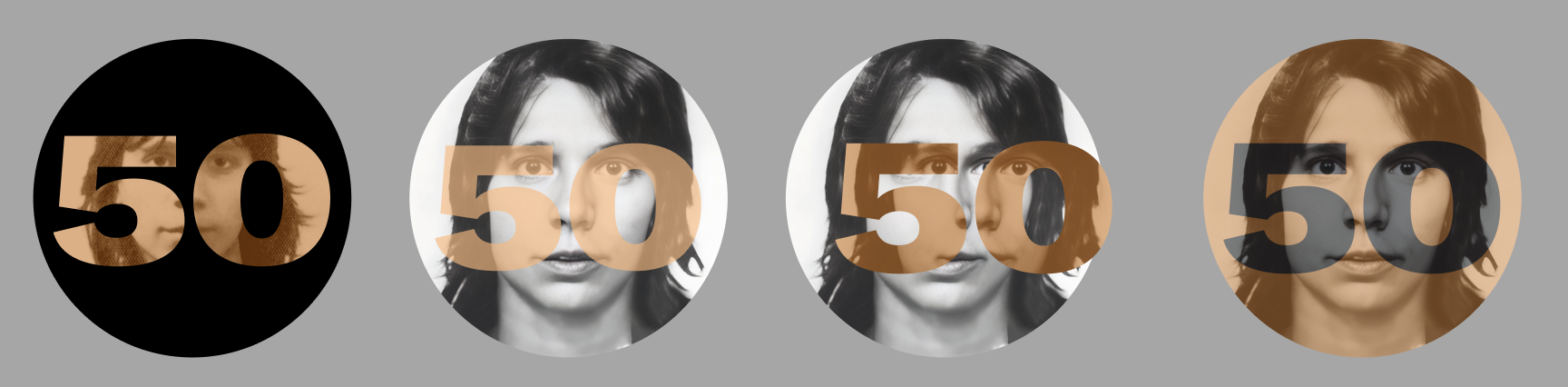
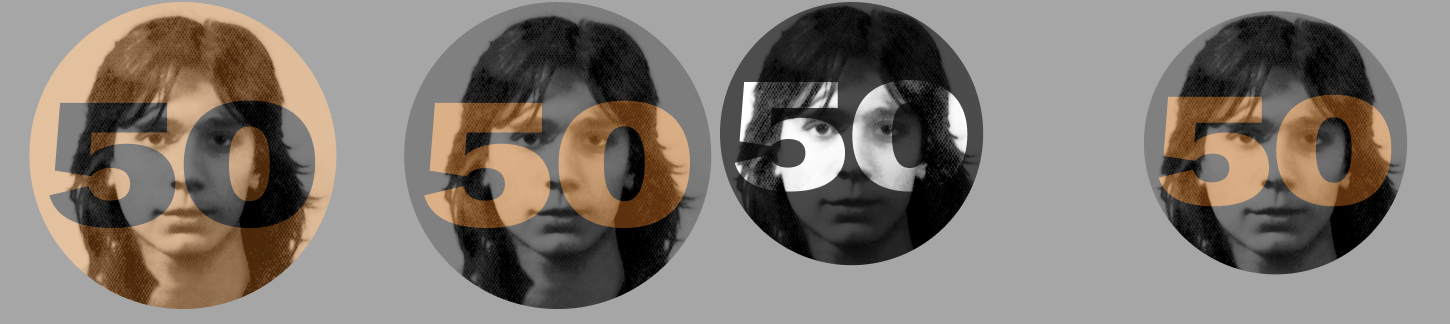
The number 50 looks like goggles when in black-and-white. I’ll try to change that.
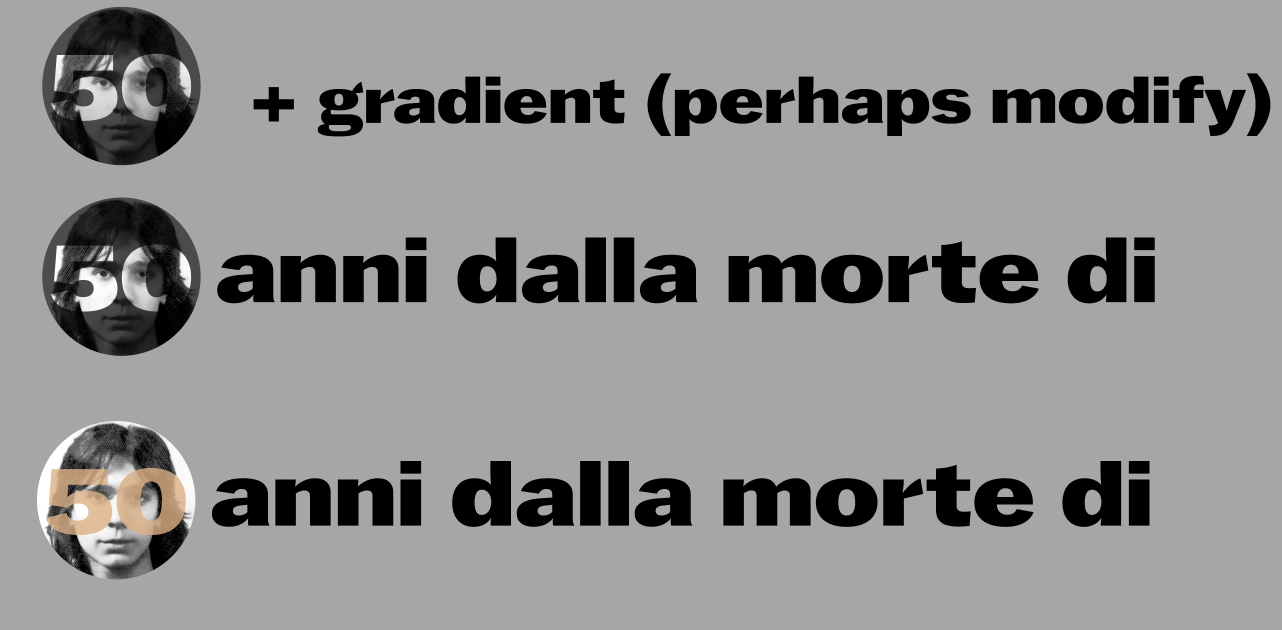
Turned the thing into a banner:


Changed the typeface:

And once more. Nah, I can’t do much to stop the overlaid 50 from looking like goggles:

I’ll make it simpler:
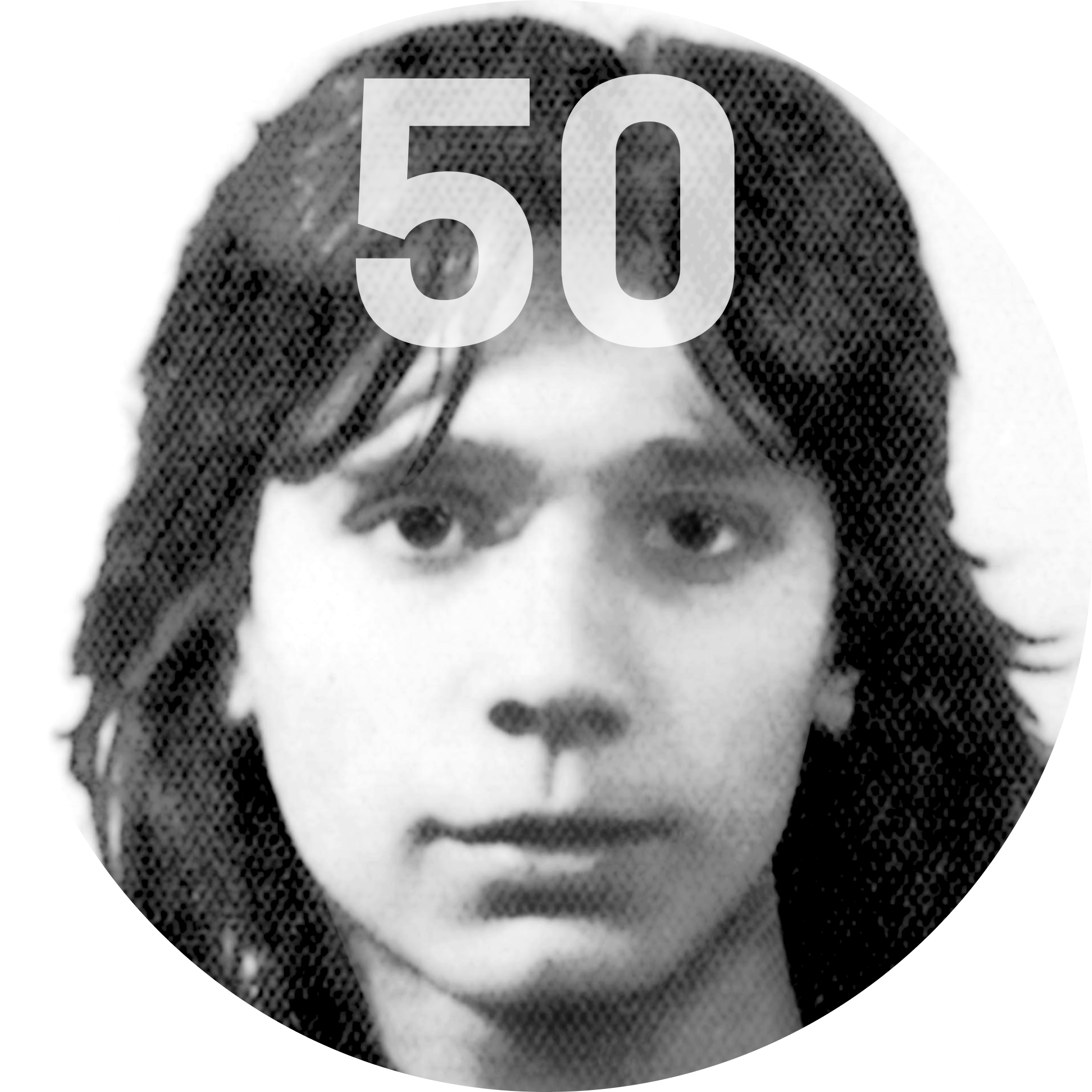
The final result, including the various graphics in their natural surroundings:
I did not win. Another good design did:

I will note that it has an issue which I was careful to avoid in mine: slapping “1975–2025” without context makes it seem like the guy was born in 1975 and is about to have a birthday anniversary.

I have my doubts about Telegram’s privacy, and thus prefer using SimpleX instead.
But I will never tolerate the arrest of a man for avoiding collaboration with intelligence services. The EU and the so-called “free world” are becoming ever more dystopian...
Pavel Durov must be freed immediately.
I will be showing OvalMedia’s film The Perfect Soldier on August 31 in Sanremo. Come and see:

My unused items and some of my professional services are now listed on XMRBazaar.
5elements is an Italian agricultural corps which grows plants and sells products made with them. Its olives are the tastiest I’ve ever eaten.
Maurizio Zerbini, the man in charge, asked me to relaunch its webstead. Done:

Maurizio was born to a family of farmers, and believes it is his duty to grow healthy food for himself and others. 5elements’ agriculture is respectful of nature and is also biodynamic, but what really sets it apart is the widespread use of EM — Effective Microörganisms — as disinfectants and fertilisers.
5elements has real people behind it; it’s not a soulless corporation. It’s always important to highlight this, so my photo of a smiling Maurizio is the first thing one sees when opening the site:
Also up-top are contact details and a certification notice.
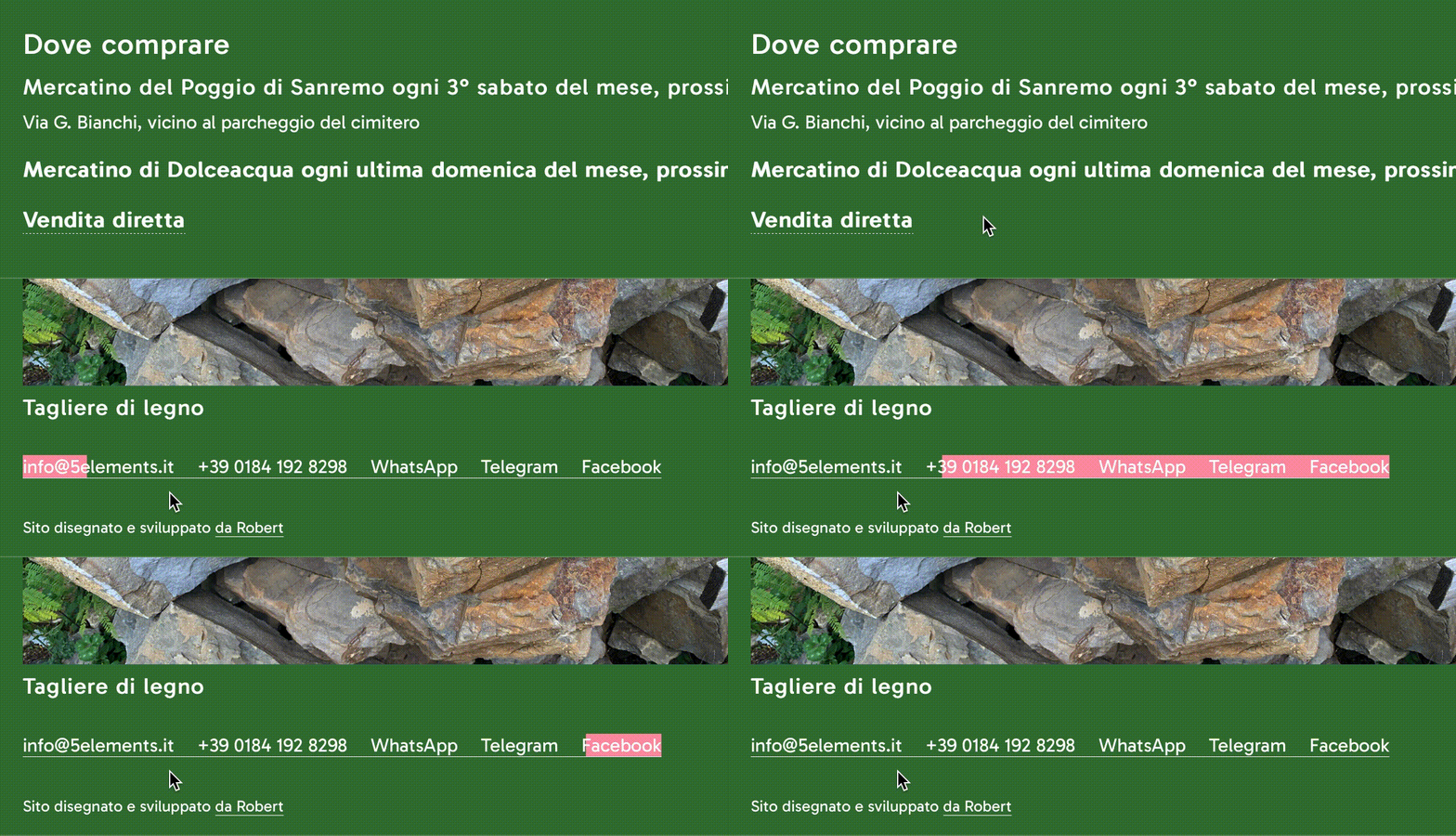
This webstead is not an online store, just a catalog. But selling is of course essential, so the places to buy products are listed immediately below his picture. A click on “direct sales” teleports the site’s visitor to the contact details:
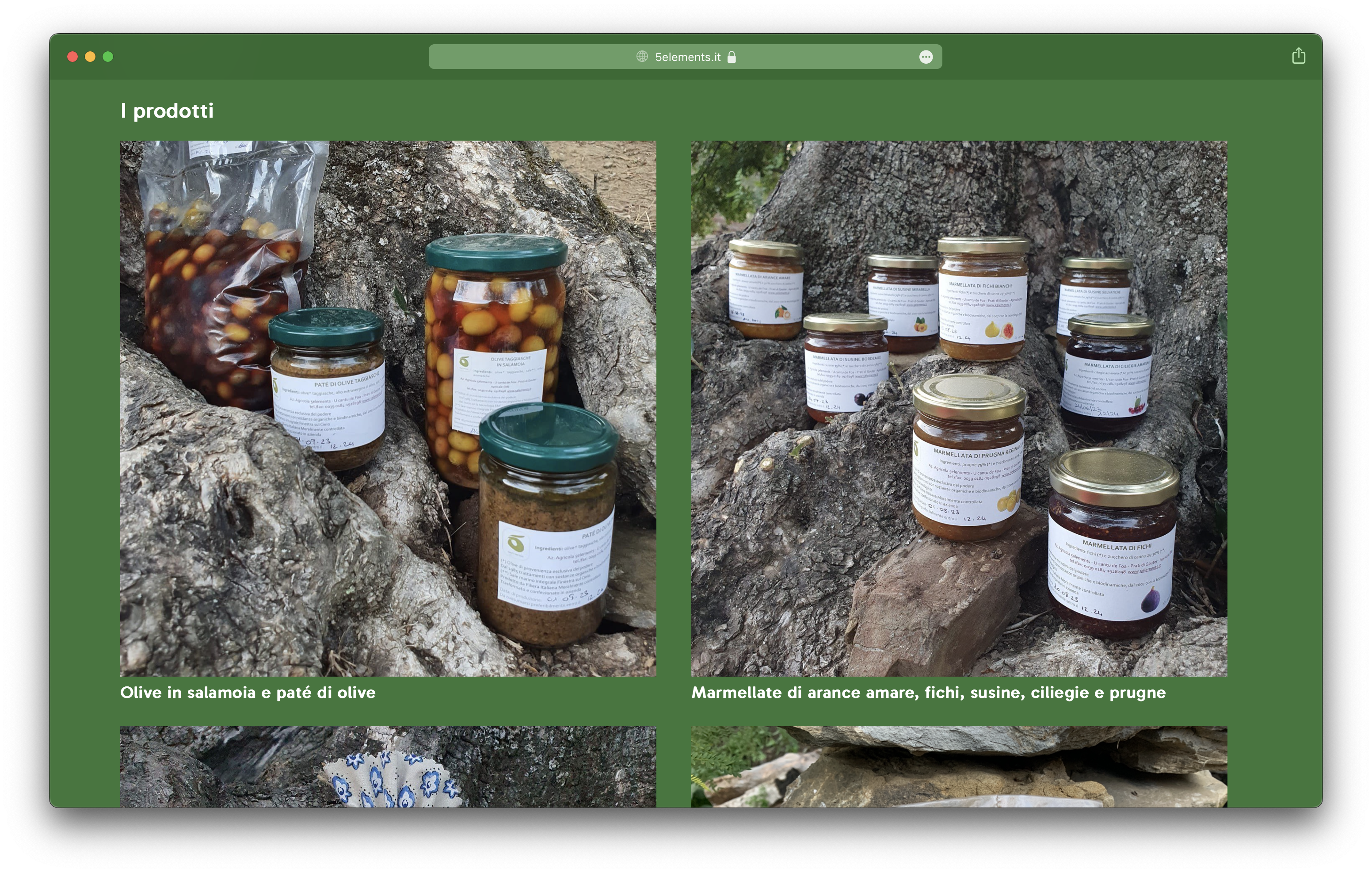
And since this is not an online store, it was easy to make the product images big:
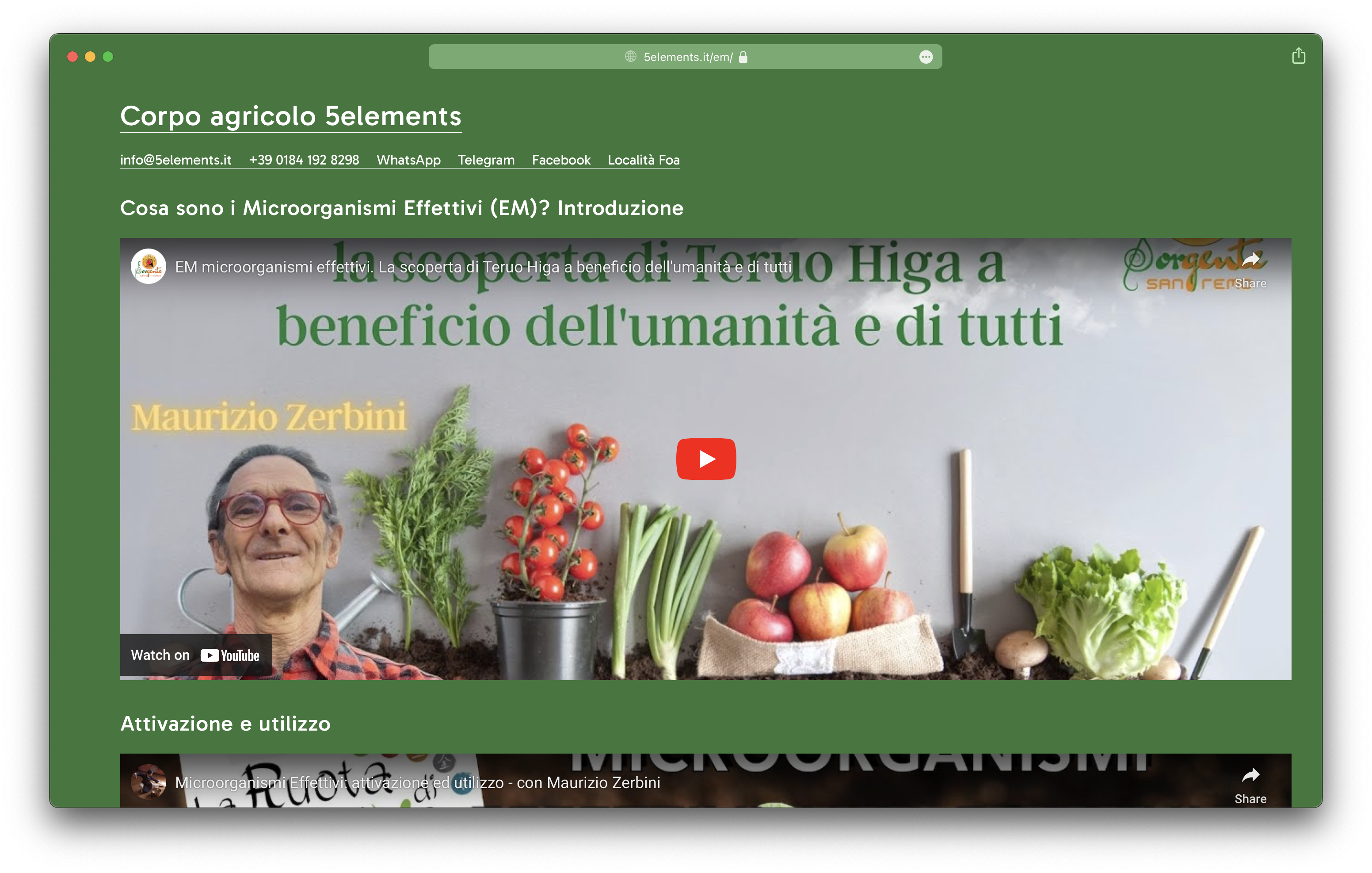
Maurizio has given talks and interviews about effective microörganisms, so I made a page for them:
Foa, the locality where 5elements grows its plants, is rich, beautiful, and is an unofficial Dark Sky Sanctuary. Customers should be able to know where their food grows, so I took some pictures and gave them their own page:
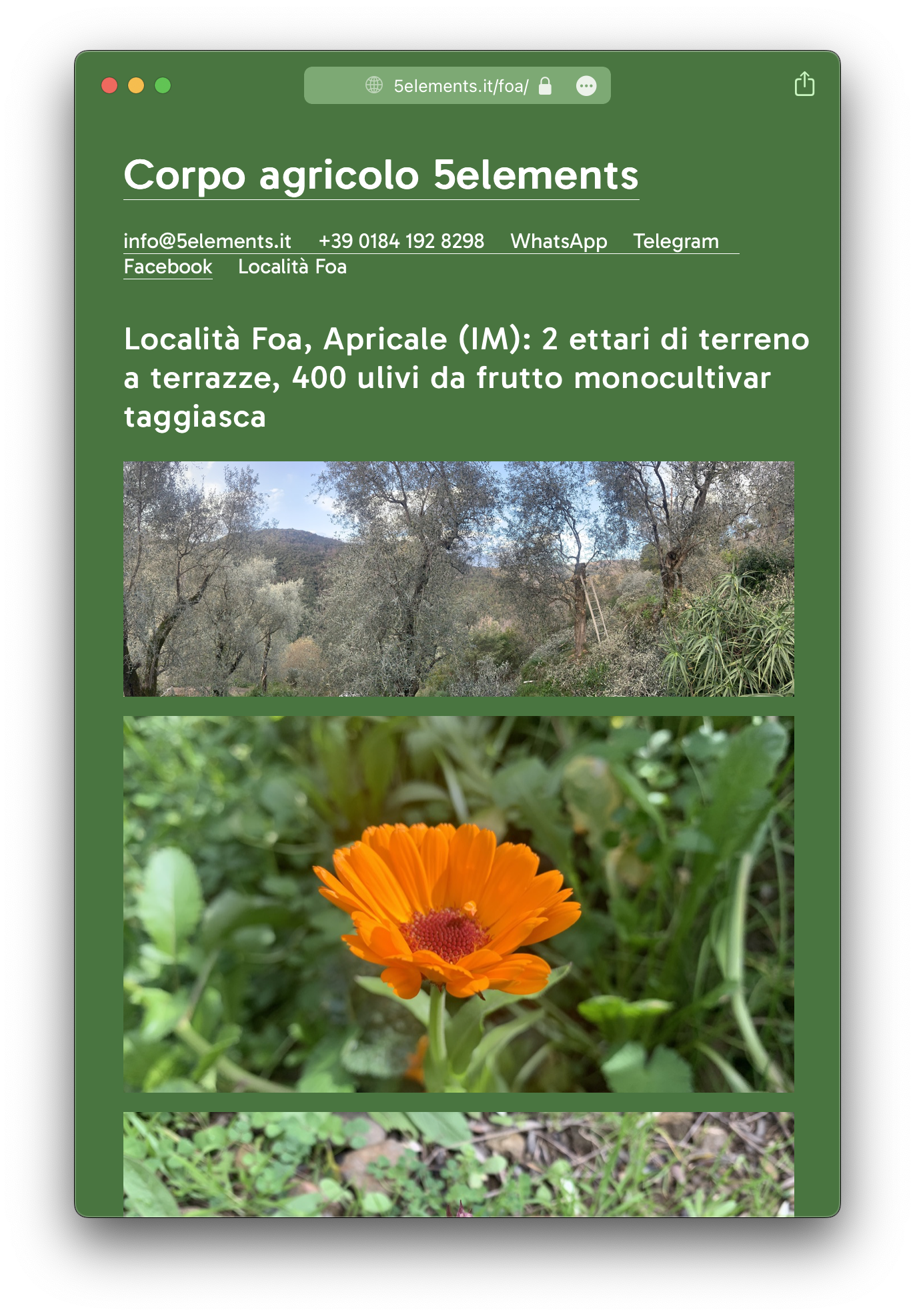
Contact details are listed on the top and bottom of each page. Slightly asymmetrically, as a little nudge to contact the agricorps:

5elements is now back online. Anyone interested in the company and its products can now learn about them without complicated message exchanges.
A word to Maurizio:
Excellent. I say you have done a good job.
There are various kinds of cybersecurity measures: organisational, legal, technological, and physical. All of them are useful, but the technological ones are the most resilient.
Legislation and policies are short-lived and unreliable, they are easy to bypass and modify. Just as platforms, they are created and maintained in a centralised manner by people who cannot be held to account. Protocols, on the other hand, are far more reliable, because they work in any jurisdiction and under any management. If a protocol’s creator dies or loses control, it keeps on working regardless. SimpleX, RSS, Monero, and the internet itself are all open protocols that do not belong to any company.
There can be any formal rule, but only the technologically enforced one will be followed. To falsify a contract on a Proof-of-Work blockchain, one needs to take over 51% of the network, and not just a single notary office. Good cryptocurrencies have monetary policies that are deeply thought through, so people don’t have to worry about central banks making the “right choice”. Decentralised domain protocols allow for true domain ownership, so people don’t have to worry about the benevolence of the Internet Corporation for Assigned Names and Numbers (ICANN).
As for data protection, it’s possible, of course, to open a company in one country and have it belong to two legal entities in two other countries, dividing data between different jurisdictions. Yet legislation can always change, while technologies will keep on working regardless. Such a legal move can only be an addition to technological measures, not their replacement.
The European GDPR allows citizens to withdraw consent to their data being processed, as well as to exercise “the right to be forgotten” and thereby remove all data about themselves from the public eye. But as the Streisand effect proves, a person who states the desire to hide will thereafter only become more visible. Services that truly want to streamline data deletion allow it to be done with a simple click — no emails and phone calls required.
“Security through obscurity” leads to lack of responsibility and accountability. Good defence works even if the enemy knows how it works.
When a system is transparent and comprehensible, there is no need to rely on others’ oaths: violations are seen, while vulnerabilities are easy to fix. Transparent and comprehensible software is open-source, its builds are reproducible. If it connects to the web, it has an Internet Access Policy.
Reliable devices have open schematics and, when possible, are physically transparent to make it easy to notice foreign components. The microphone and camera are turned off electrically, not via software.
If some code isn’t being used, it needs to be removed. The simpler the software, the fewer the bugs & vulnerabilities, and the higher the likelihood of detailed external audits.
Technologies should be built in ways that make surveillance impossible, with data being processed only after the user’s conscious consent. It’s preferable for all new technologies to be backwards-compatible: this makes their adoption easier. Optional privacy is no privacy at all, as it divides people into normies and “those with something to hide” — that’s why Monero rules and Zcash drools.
The zero-trust model is a good way to enhance security. In an organisation, this means embedding multi-level access control: each person can only access the data needed for the time needed. Accepting that anything can leak leads to minimising data collection and storage; accounts are not created without good reason.
Zero-trust can also be implemented on a local level via sandboxing. This means isolating browsers, ecosystems, and devices: using one for the personal, another for work, and a third for the alter ego. Access to one account or device will thus never be enough to paint a full picture of someone’s life.
As many interactions as possible should happen anonymously or at least pseudonymously. To make identification more difficult, one can reduce the amount of static data by constantly changing IP addresses with a VPN, randomising MAC addresses, preferring IPv4 to IPv6, spreading disinformation about identity. It’s harder to identify a person whose name isn’t tied to a device.
Browser-level protection is not enough: it’s not the only program communicating with the internet. Also, the more a browser is configured, such as with installed plugins, the easier it is to identify the person through metadata. Restrictions, such as those related to scripts, should be set on the system or router level.
Authentication should consist of multiple factors: what a person knows and what a person has. Emails and SMS messages should not be obligatory factors because of their low privacy. There also should not be any shared secrets: many people are unable to follow instructions and keep passwords in a safe place.
As much as possible should happen locally: the cloud is just someone else’s computer, while trusted third parties are security holes. However, if an interaction requires the internet, a web app is safer than a local app: a closed browser tab guarantees absence of background communications.
Almost everything should be encrypted, but it’s important to remember that malware (and on-device AI) can gather data before encryption and after decryption.
It’s best to avoid passing SSDs onto others: the only way to truly ensure the absence of previously “deleted” data is to smash the disk.
To completely exclude remote attacks, a device should not have Wi-Fi, Bluetooth, microphones, and cameras; any connections should happen physically. Such devices are typically kept in hard-to-reach places. If such a device were to be accessed, it should notify about this, both on the software and hardware levels. The most advanced devices use deniable encryption, fooling potential extorters into believing that the little data they manage to retrieve is all there is.
Certain kinds of digital threats can be prevented only with transparent technological measures.
However, a system can never be fully secure — this would make it inoperable. Tradeoffs are unavoidable; security measures should be chosen based on threat model, threat probability, objective limitations, long-term goals, and budget.
As of today, network effects continue to sway people towards centralised messaging apps, many sites needlessly require registration, hardly any devices have open schematics, and decentralised domain protocols are still uncommon. There is great room for improvement — let’s get to it.
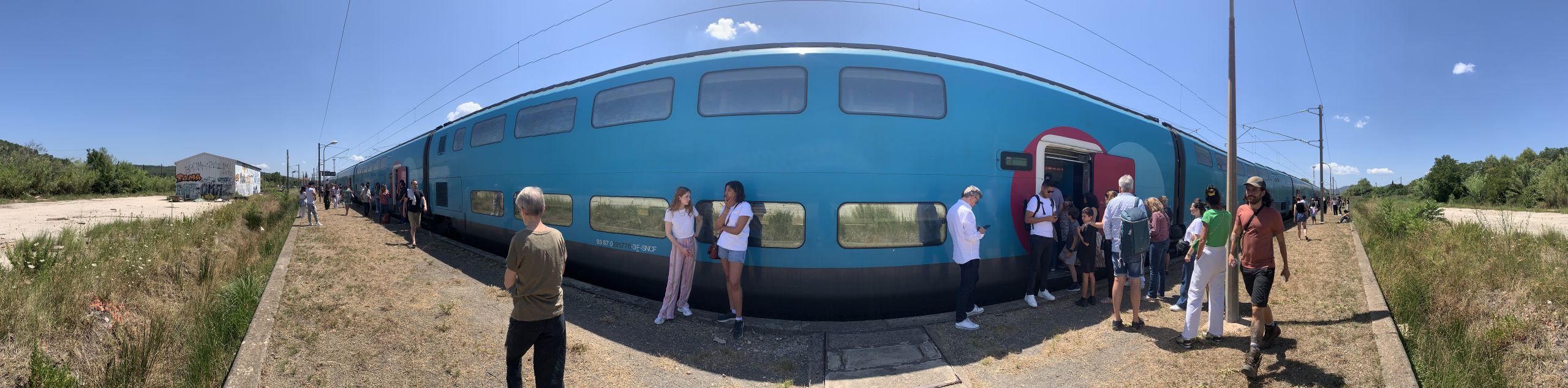
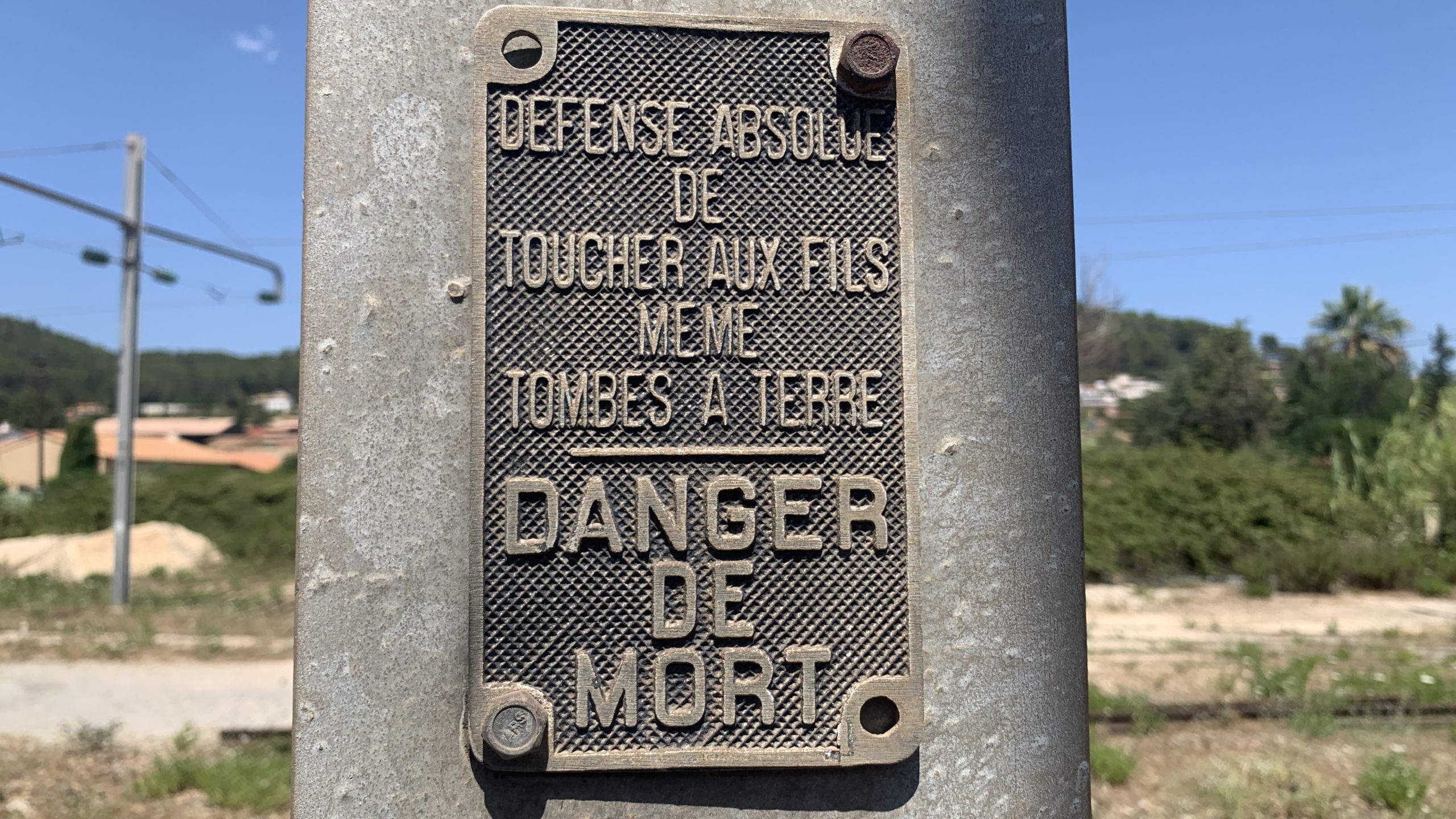
The train I was in had to take a detour because of a fatal accident further down the line.
So here is Carnoules station: